Gumdan Ewha Hospital · Dermatology, Pain Relief & International Patient Concierge in Incheon
4.9 Patient Satisfaction
en-US

Stem Cell Therapy · Needs Clinic Confirmation
Stem Cell Hair Rejuvenation
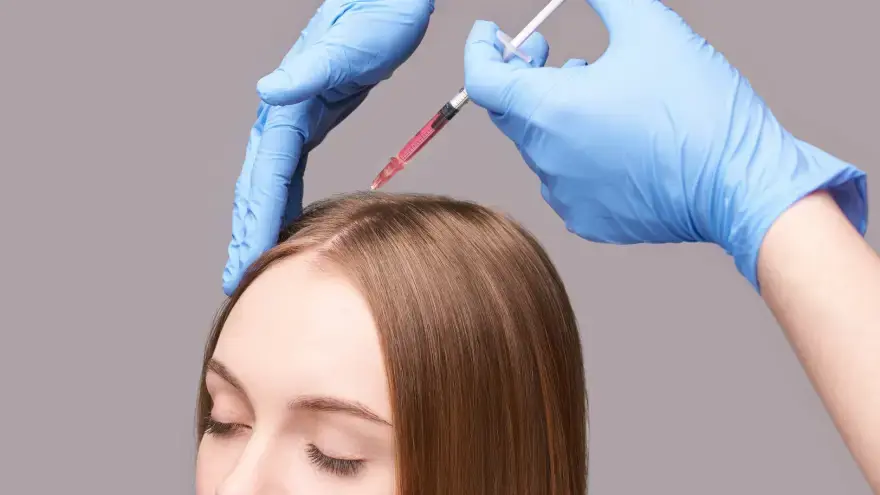
Stem Cell Hair Rejuvenation is an innovative, regenerative therapy that uses the body’s natural healing potential to restore hair growth.
Schedule a ConsultationStem Cell Hair Rejuvenation
Hair loss is a concern that affects millions of people worldwide, regardless of age or gender. Whether caused by genetics, hormonal changes, aging, stress, or lifestyle, thinning hair can impact one’s confidence and self-image. Traditional treatments like hair transplants and topical medications have helped many, but modern advancements now offer a groundbreaking alternative: Stem Cell Hair Rejuvenation.
What Is Stem Cell Hair Rejuvenation?
Stem Cell Hair Rejuvenation is an innovative, regenerative therapy that uses the body’s natural healing potential to restore hair growth. Unlike traditional hair restoration surgeries, this method involves harnessing stem cells — the body’s master cells — to stimulate dormant hair follicles, encourage new growth, and improve hair density.
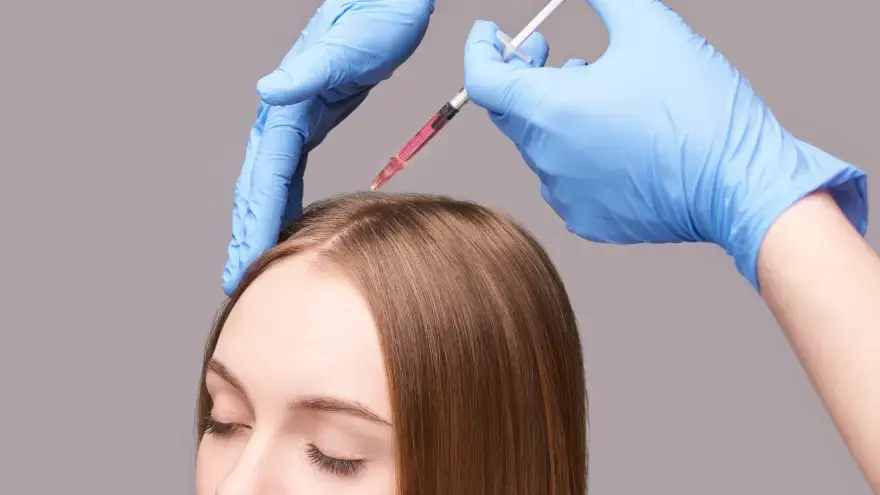
The concept of Hair Rejuvenation through stem cells is rooted in regenerative medicine. By using autologous (your own) stem cells derived from sources like fat tissue or bone marrow, or even platelets (in PRP therapy), doctors can inject these powerful cells into the scalp. These cells release growth factors that boost blood supply, awaken inactive follicles, and prolong the hair growth cycle.
How Does Stem Cell Hair Rejuvenation Work?
The procedure typically starts with extracting stem cells from the patient’s own tissue. One popular method is to harvest mesenchymal stem cells (MSCs) from a small amount of adipose (fat) tissue using a minimally invasive liposuction technique. Another option is to collect platelet-rich plasma (PRP) from a simple blood draw.
Once collected, these cells are processed in a sterile environment to concentrate the healing factors. The final product is then strategically injected into areas of the scalp where thinning or hair loss is prominent.
This process of Hair Rejuvenation is designed to:
Reactivate dormant hair follicles
Enhance blood circulation to the scalp
Improve the thickness and quality of existing hair
Slow down future hair loss
Some clinics also combine stem cell therapy with other Hair Rejuvenation treatments like microneedling or laser therapy to maximize results.
Benefits of Stem Cell Hair Rejuvenation

Patients who opt for Stem Cell Hair Rejuvenation often choose it because it is minimally invasive and uses the body’s own biological material, reducing the risk of adverse reactions or rejection.
Key benefits include:
Natural Results: The goal is to restore your own natural hair, maintaining the texture and direction of growth.
Minimally Invasive: No large surgical incisions, stitches, or scars are involved.
Quick Recovery: Downtime is minimal; most patients return to normal activities within a day or two.
Long-Lasting Effects: When combined with healthy lifestyle habits, the results of this Hair Rejuvenation approach can last for years.
Who Is a Good Candidate for Stem Cell Hair Rejuvenation?
Stem Cell Hair Rejuvenation works best for individuals in the early to moderate stages of hair thinning. It is not a complete replacement for hair transplants in cases of extensive baldness where follicles are no longer present. However, for those with weakened or dormant follicles, this treatment can make a significant difference.
Both men and women struggling with androgenetic alopecia (pattern baldness) or diffuse thinning may benefit. Additionally, people looking for a natural approach to Hair Rejuvenation without surgery often find this therapy appealing.
What to Expect During the Procedure
A typical Stem Cell Hair Rejuvenation session can take 2–4 hours. Here’s what you can expect:
Consultation: A qualified hair restoration specialist will assess your scalp, hair density, and medical history to determine if you’re a suitable candidate.
Harvesting Stem Cells: The doctor extracts stem cells through a small fat removal or a blood draw, depending on the method.
Processing: The harvested cells are separated and concentrated using advanced equipment.
Injection: The processed stem cells or PRP are injected into targeted areas of the scalp using fine needles.
Aftercare: Mild redness or tenderness may occur but typically resolves quickly.
Most patients need a series of treatments spaced a few weeks apart for optimal results. Maintenance sessions every 6–12 months may help sustain the benefits.
How Soon Will You See Results?
Unlike instant cosmetic fixes, Hair Rejuvenation with stem cells works gradually. New hair growth often becomes visible within 3–4 months as follicles transition into the active growth phase. Hair continues to thicken and strengthen over the next 6–12 months.
Patience is key, as the treatment focuses on healing the scalp environment and stimulating follicles to perform naturally.
Are There Risks or Side Effects?
Because Stem Cell Hair Rejuvenation uses your own biological material, it is considered safe and well-tolerated. Minor side effects like temporary swelling, bruising, or scalp tenderness may occur but usually subside within a few days.
It’s essential to choose an experienced and licensed provider who follows strict protocols for harvesting, processing, and injecting stem cells.
Combining Stem Cell Hair Rejuvenation with Other Treatments
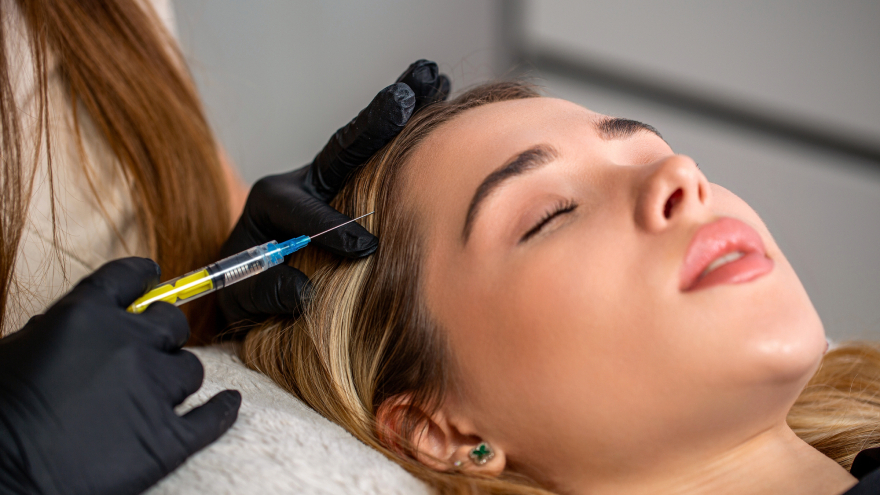
Many patients combine stem cell therapy with other Hair Rejuvenation options for enhanced results. Common combinations include:
PRP Therapy: Boosts the regenerative effects.
Microneedling: Enhances absorption of growth factors.
Low-Level Laser Therapy (LLLT): Improves circulation and follicle health.
Prescription Medications: Like finasteride or minoxidil to manage hormonal causes of hair loss.
Your specialist will design a personalized treatment plan based on your scalp condition and goals.
Choosing the Right Clinic for Stem Cell Hair Rejuvenation
With the growing popularity of regenerative Hair Rejuvenation, it’s crucial to select a reputable clinic. Look for:
Board-certified dermatologists or hair restoration specialists.
Clear information about the source and processing of stem cells.
A transparent consultation process explaining realistic expectations.
Proven before-and-after results from previous patients.
Avoid clinics making unrealistic promises or offering “miracle cures.” A trusted provider will guide you through a safe, evidence-based approach.
The Future of Hair Rejuvenation
Stem Cell Hair Rejuvenation represents an exciting step forward in the field of hair restoration. As research evolves, scientists continue to explore how stem cells can be combined with gene therapy and advanced biotechnologies to offer even more effective solutions for hair loss.
For now, Stem Cell Hair Rejuvenation provides a promising option for those seeking natural-looking results without extensive surgery. With minimal downtime, a safe process, and the power of your body’s own regenerative abilities, it’s clear why many see stem cells as the future of Hair Rejuvenation.
Final Thoughts
Hair loss can be emotionally challenging, but modern science is opening doors to solutions once thought impossible. If you’re considering Stem Cell Hair Rejuvenation, consult with a trusted hair restoration specialist to find out if this innovative treatment is right for you.
Embrace the future of Hair Rejuvenation and take a confident step towards thicker, healthier hair.
Other Services
Explore additional treatments offered at Gumdan Ewha Hospital.

Calf Contouring Injections
Calf contouring injections use neuromodulator injections (most commonly Botulinum Toxin, widely known by brand names like Botox) to relax targeted calf muscles.
Learn More

Shurink
Shurink is a cutting-edge, non-surgical ultrasound lifting treatment designed to tighten sagging skin, improve skin elasticity, and reduce fine lines and wrinkles.
Learn More

Chronic Disease Management
Chronic Disease Management refers to the ongoing medical care and support provided to individuals living with long-term health conditions.
Learn More