Gumdan Ewha Hospital · Dermatology, Pain Relief & International Patient Concierge in Incheon
4.9 Patient Satisfaction
en-US

Medical Guide
What Is Exosome Therapy—and Can It Reverse Aging?
Discover what exosome therapy is, how it works, and if it can reverse aging. Explore the science behind this regenerative treatment. Learn more today!
Schedule a ConsultationIntroduction
In a world where aesthetic goals meet scientific ambition, a new frontier has emerged in regenerative medicine: exosome therapy. Touted by some as the next evolution beyond stem cells, exosomes have captured the attention of both researchers and beauty-conscious individuals seeking non-invasive, high-impact treatments. But what exactly are exosomes, and can they truly reverse aging?
At Gumdan Ewha Hospital, located in Incheon’s growing Geomdan district, we often meet patients who are curious but cautious about these advanced treatments. Many have tried conventional skincare, anti-aging injections, or even laser procedures—yet are now asking: "Is there something deeper, more cellular, that can restore youthful vitality?"
Let’s unpack the science, the promise, and the reality of exosome therapy.
What Are Exosomes?
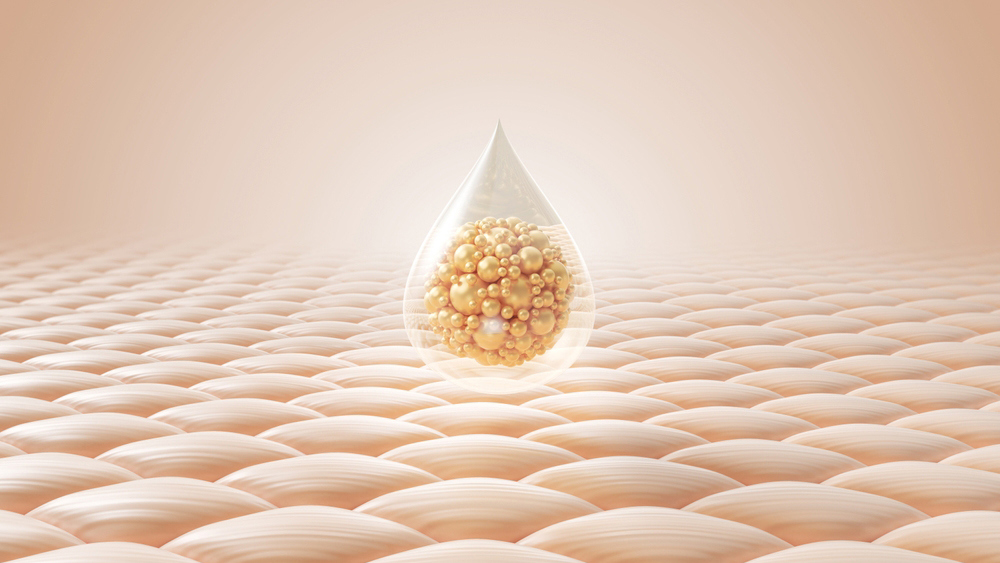
Imagine your body as a vast network of conversations between cells. Exosomes are the tiny, nano-sized "envelopes" that carry messages from one cell to another. These extracellular vesicles, typically 30-150 nanometers in size, are secreted by most cells, including stem cells, and are packed with proteins, lipids, RNA, and signaling molecules.
They don’t replicate like cells, nor do they contain DNA, but they do influence the behavior of other cells—from encouraging growth and healing to reducing inflammation. This signaling capacity is what makes them so valuable in regenerative medicine.
Unlike stem cells, which can differentiate into other cells, exosomes act more like couriers. They don’t become anything else—but they carry instructions that can trigger repair processes in the cells they reach. In that way, exosomes represent a form of intelligent, cell-free therapy that’s more controlled and potentially safer.
How Exosome Therapy Works in Anti-Aging?
At its core, exosome therapy is about harnessing the communication power of healthy, young cells and delivering those messages to aging or damaged tissues. In aesthetic clinics and hospitals like Gumdan Ewha, exosome-rich solutions are typically applied:
Topically after microneedling or laser resurfacing to enhance penetration and healing
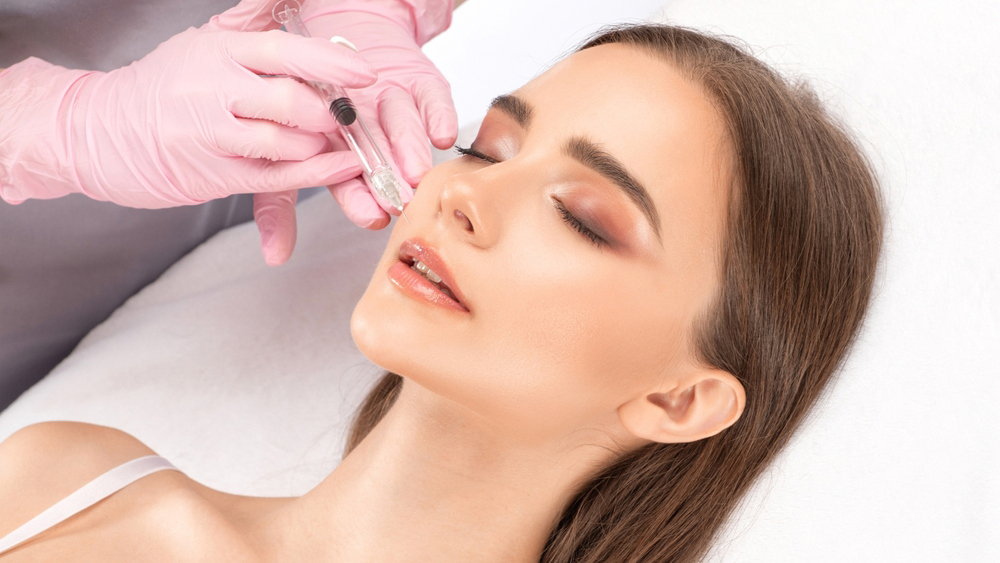
Injected into the skin similar to how fillers or skin boosters are delivered, especially in areas prone to volume loss or wrinkling
Combined with other regenerative therapies like stem cells or PRP (platelet-rich plasma) for synergistic effects
The goal? To stimulate collagen production, enhance cellular repair, and promote overall tissue rejuvenation—without surgery or harsh chemicals.
These treatments are often customized depending on the patient’s age, skin condition, and health history. For example, younger patients may use exosomes to prevent early signs of aging, while older individuals might benefit from their regenerative effects after sun damage, environmental stress, or menopause-related skin thinning.
What Conditions or Concerns Can Exosome Therapy Address?
At our hospital, we use exosome therapy as part of customized treatment plans for:
Skin aging: dull tone, fine lines, uneven texture, loss of elasticity
Hair loss: particularly androgenetic alopecia and postpartum hair thinning
Acne scars and inflammation: exosomes may help normalize sebum production and reduce inflammatory signaling
Post-procedure recovery: to speed up healing after lasers, RF, or chemical peels
Joint or tendon injuries: in orthopedic care, exosomes are used for their anti-inflammatory and regenerative properties
One unique application we’re exploring is periorbital rejuvenation—treating dark circles, eye bags, and thinning skin around the eyes. Because this area is so delicate, exosomes provide a gentle, effective option that improves skin density without adding bulk.
Can It Really Reverse Aging?

Let’s be honest: No treatment truly "reverses" aging. Aging is a complex biological process involving DNA damage, mitochondrial decline, oxidative stress, and more.
However, exosome therapy may slow or repair certain visible and functional aspects of aging, including:
Boosting skin hydration and elasticity
Improving cellular turnover
Calming chronic inflammation (a major contributor to aging)
Supporting tissue regeneration in joints or soft tissue
It works not by erasing your biological age but by optimizing your cells' ability to repair and regenerate. In that sense, it doesn't reverse time, but it can help you age more gracefully—with healthier, more responsive skin and tissues.
Patients often report that their skin feels more resilient, their tone is brighter, and their overall appearance is more rested. While these results are not instantaneous, they tend to be longer-lasting and more natural than superficial treatments alone.
The Science Behind the Promise
What makes exosome therapy so promising is its multifactorial approach to skin and tissue health:
Anti-inflammatory action: Chronic inflammation accelerates aging. Exosomes contain molecules like TGF-β and IL-10 that modulate the immune response and reduce tissue stress.
Stimulation of fibroblasts: These are the skin cells responsible for collagen and elastin production. When exposed to exosomes, fibroblasts become more active and efficient.
Angiogenesis: Exosomes can help improve microcirculation by encouraging the formation of new capillaries, enhancing nutrient and oxygen delivery to the skin.
Oxidative stress reduction: Some studies suggest that exosomes can decrease markers of oxidative damage, a key culprit in premature aging.
This biological orchestration is what sets exosome therapy apart from simple moisturizers, peels, or injectables. It engages your body’s own regenerative pathways.
Is It Safe? What Patients Should Know
This is where clinical expertise becomes essential.
Exosomes can be derived from various sources, including mesenchymal stem cells (MSCs), placental tissue, or even umbilical cord blood. The purity, safety, and efficacy of these exosome products vary significantly. In Korea, exosome therapies used in reputable hospitals are subject to rigorous quality control, but not all beauty clinics follow the same standards.
At Gumdan Ewha Hospital, we use exosomes only from trusted, clinically validated sources and combine them with evidence-based protocols. Patients undergo a thorough consultation, and treatments are tailored to their skin type, age, and goals.
That said, potential side effects may include:
Temporary redness or swelling at injection sites
Allergic reactions (rare)
Mild discomfort or irritation post-application
Overall, exosome therapy has a favorable safety profile when performed by experienced clinicians using high-grade materials.
What Makes Exosome Therapy Different from Stem Cells or PRP?
Patients often ask: "Is this just another name for stem cell treatment?"
Not quite. While exosomes are secreted by stem cells, they are cell-free. That means:
No risk of unwanted cell proliferation
Easier to store and apply
Lower chance of immune rejection
Compared to PRP, which relies on your own platelets and growth factors, exosomes may have more targeted and potent effects due to their rich, bioactive content and smaller size, allowing deeper penetration into tissues.
Think of PRP as a natural booster, and exosomes as the precise instructions that tell your skin exactly how to heal and rebuild. They are not mutually exclusive—in fact, combining them is a popular approach at our clinic for enhanced synergy.
The Gumdan Ewha Perspective
Having performed thousands of successful skin and joint procedures, we at Gumdan Ewha Hospital have found that exosome therapy works best as part of a broader, integrated approach. We often combine it with:
Laser toning for pigmentation
HIFU or RF tightening for lifting
Prolotherapy for joint stability
Nutrition and hormonal optimization for chronic conditions
Our medical director, Dr. Soojin Do, emphasizes the importance of matching the right therapy to the right patient—not chasing trends, but focusing on what truly works for long-term regeneration.
We also monitor outcomes through standardized skin analysis and follow-up photography, helping patients see their progress and adapt their treatment plan accordingly.
Final Thoughts: Should You Try It?
If you’re seeking a non-surgical, biologically active treatment that goes beyond surface results, exosome therapy may be worth considering.
But it’s not a miracle cure. It requires expert application, careful sourcing, and realistic expectations. The best results happen when patients are committed to ongoing care and guided by clinicians who understand both science and aesthetics.
At Gumdan Ewha Hospital, we see exosome therapy not as a shortcut to youth, but as a meaningful tool in helping our patients look refreshed, feel confident, and heal better—inside and out.
If you're considering non-surgical rejuvenation or regenerative care, visit us for a consultation. We'll help you explore safe, personalized options that reflect your goals and support your well-being. You deserve a treatment plan that honors your individuality while empowering your body’s own healing potential.
More Articles
Continue reading our clinical guides and insights.
Pico Fraxel vs. CO2 Laser: Which Laser Treatment Is Best for Scars & Wrinkles?
Discover the differences between Pico Fraxel and CO2 laser treatments for scars and wrinkles. Find out which is best for your skin. Learn more today!
Learn More

Garlic IV for Inflammation: What Patients Say After One Session
Discover how Garlic IV therapy helps reduce inflammation and boost wellness. Read real patient experiences and results after just one session. Learn more!
Learn More

Should You Get a Detox IV After Travel or Illness?
Recover faster and rehydrate your body with a Detox IV after travel or illness. Flush out toxins, boost energy, and feel your best again—book your session today!
Learn More