Gumdan Ewha Hospital · Dermatology, Pain Relief & International Patient Concierge in Incheon
4.9 Patient Satisfaction
en-US

Medical Guide
Thread Lifting Myths: What Patients Get Wrong (and Right)
Discover the truth about thread lifting myths. Learn what patients get wrong (and right) about results, safety & recovery. Get expert insights today!
Schedule a ConsultationIntroduction: Why So Many Patients Are Curious — and Confused
Over the past decade, thread lifting has become one of the most talked-about beauty treatments in Korea. It seems like every celebrity interview or influencer vlog includes a casual mention of “lifting threads,” and beauty forums are filled with before-and-after photos. In Incheon alone, more patients than ever are walking into clinics asking about it.
And yet, with popularity comes confusion. Some patients arrive at Gumdan Ewha Hospital with sky-high expectations, believing threads can “replace” surgery. Others come in terrified, convinced that threads will slide around under the skin or cause permanent damage. Social media snippets and word-of-mouth stories often blur the line between fact and fiction.
To be honest, this mix of curiosity and anxiety is completely normal. Thread lifting is unique: it sits in the middle ground between skincare and surgery — not as simple as a cream, not as invasive as a scalpel. That in-between space creates a lot of myths, and our job as doctors is to clarify them.
In this article, I want to walk you through the most common misunderstandings about thread lifting, based on real conversations we have with patients every week here at Gumdan Ewha. By the end, you’ll have a clear sense of what threads can and cannot do — and whether this treatment might be right for you.
Myth 1: Thread Lifting Works Like Surgery
Reality: It’s a lift, not a replacement.
The number one misconception is that thread lifting is simply a “mini facelift.” Patients sometimes come in saying, “I want surgery results without surgery.” Unfortunately, that sets the wrong expectation from the start.
Here’s the difference:
Facelift surgery physically repositions deep tissue layers, removing excess skin and tightening underlying structures.
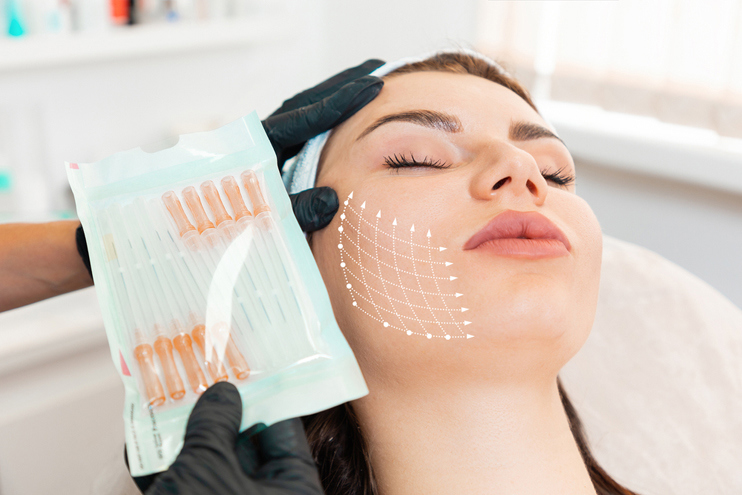
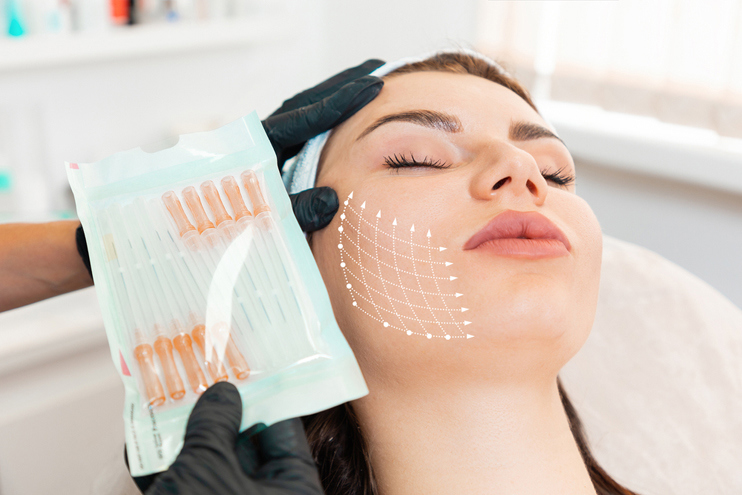
Thread lifting uses dissolvable sutures (PDO, PLLA, or PCL) to subtly suspend the skin, providing an upward lift while stimulating collagen around the threads.
The effect is noticeable, but it’s not as dramatic or permanent as surgery. Think of it like tightening the ropes of a tent: you improve shape and support, but you’re not rebuilding the entire frame.
At Gumdan Ewha, we’re very transparent about this distinction. For patients with mild-to-moderate sagging, thread lifting offers a natural, refreshed look. For those with advanced sagging or heavy skin laxity, surgery may still be the gold standard. Honesty in expectation-setting is what prevents disappointment later.
Myth 2: Results Don’t Last Long
Reality: They last longer than most think.
One of the first questions patients ask is: “How long will it last?” Some people believe results disappear in just a few months. That’s simply not true.
High-quality PDO or PLLA threads dissolve in 6–12 months, but that’s only part of the story. During this time, the threads trigger collagen and elastin production — the skin’s natural “scaffolding.” This regenerative effect continues even after the threads themselves are gone.
In our clinical experience at Gumdan Ewha, most patients enjoy results for 1.5 to 2 years, especially if they combine lifting with complementary treatments like:
Laser tightening (to boost skin elasticity),
Skin boosters (to improve hydration and texture),
Healthy lifestyle habits (avoiding smoking, stable weight management).
Another factor is technique. Thread placement is like anchoring ropes. If the entry points, direction, and depth are carefully mapped, the lift lasts longer and looks more natural. Poorly placed threads, on the other hand, may loosen prematurely.
Myth 3: Thread Lifts Are Extremely Painful
Reality: Discomfort is real, but manageable.
A common fear is that the procedure will be unbearably painful. Patients sometimes imagine needles pulling through the skin or threads tearing. The truth is less dramatic.
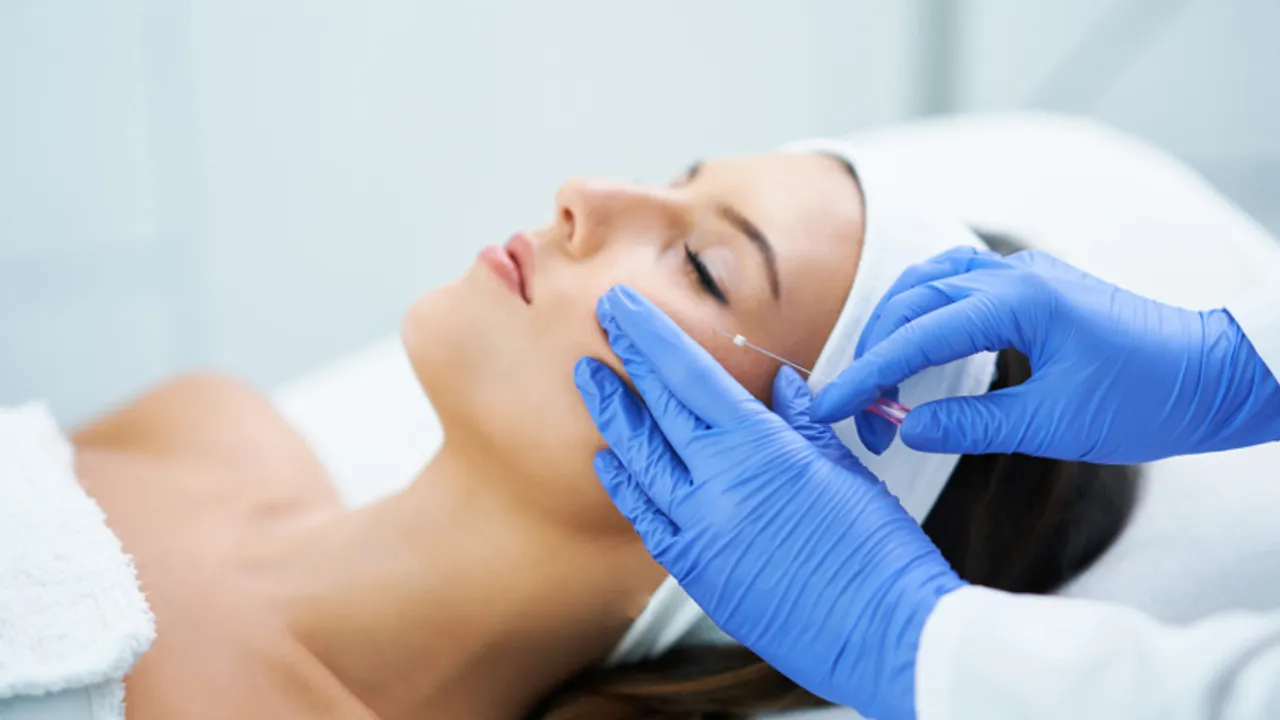
Thread lifting is performed under local anesthesia. Most patients describe the sensation as pressure or tugging rather than sharp pain. Afterward, there may be soreness, tightness, or minor swelling — usually manageable with simple aftercare.
At Gumdan Ewha, we take patient comfort very seriously. Our approach includes:
Customized anesthesia protocols,
Careful explanation of each step (so patients aren’t startled by the sensations),
Tailored aftercare like cold compresses and gentle massage guidance.
We’ve noticed that when patients feel safe and informed, their perception of discomfort decreases significantly. Pain is not just physical; it’s also about trust and reassurance.
Myth 4: Everyone Gets the Same Results
Reality: Personalized planning matters.
Patients often come in saying, “My friend did threads and looked amazing. I want the exact same result.” But in medicine, there is no “copy-paste” treatment.
Why? Because every face is unique:
Skin thickness varies from person to person.
Fat distribution affects how much lifting is visible.
Bone structure determines angles and contours.
Lifestyle factors (smoking, weight loss, stress) influence durability.
At Gumdan Ewha, thread lifting always begins with a mapping session. We analyze each patient’s facial proportions, degree of sagging, and long-term goals. Sometimes threads alone are enough. Other times, a combination with Botox (to relax strong muscles), fillers (to restore lost volume), or regenerative therapies (to stimulate healing) creates the most natural outcome.
Think of it like tailoring a suit: the fabric may be the same, but the cut makes all the difference.
Myth 5: Threads Can “Move Around” Under the Skin
Reality: Properly placed threads stay put.
This is one of the scariest myths patients bring up. They’ve heard horror stories about threads “sliding down” or “poking out” of the skin. While complications can happen, they are rare — and almost always linked to poor technique or low-quality materials.
When placed correctly by an experienced physician, threads are anchored securely in the skin’s deeper layers. They don’t migrate randomly. Modern medical threads are also designed to integrate with tissue as they dissolve, further reducing risk.
At Gumdan Ewha, Dr. Soojin Do emphasizes precision: correct depth, tension, and entry points. This meticulous approach ensures the threads stay stable, like stitches carefully sewn into fabric.
Myth 6: Only Older Patients Benefit
Reality: Prevention is powerful.
Many people assume thread lifting is only for patients in their 40s or 50s. While it’s true that lifting helps with sagging skin, younger patients in their late 20s or 30s also benefit.
Why? Because threads don’t just lift — they stimulate collagen. That means younger patients can use threads preventively, strengthening their skin’s foundation before major sagging occurs.
Common requests from younger patients include:
Sharper jawline definition,
Subtle cheek contouring,
Early neck tightening.
We often explain it this way: it’s like reinforcing the beams of a house before cracks appear. Prevention can delay the need for more invasive treatments later in life.
The Gumdan Ewha Perspective: Beyond Myths
Thread lifting is not magic, but it’s also not a gimmick. It is a medical tool — powerful when used with skill, disappointing when misunderstood.
At Gumdan Ewha Hospital, we don’t see thread lifting as an isolated procedure. Instead, we integrate it into a comprehensive rejuvenation plan. For some patients, that means combining threads with stem cell skin rejuvenation. For others, it may involve prolotherapy for structural support or laser treatments for skin elasticity.
Our guiding principle is always the same: precision-based treatment, personalized care, and compassionate guidance. Patients aren’t just here for results; they’re here for reassurance, honesty, and a plan they can trust.
Conclusion: Choosing Wisely, Lifting Safely
Thread lifting sits at the crossroads of aesthetics and medicine. That’s why it attracts both excitement and fear. But when myths are stripped away, the truth is clear: threads are safe, effective, and versatile — as long as they’re performed by skilled hands with realistic expectations.
If you’re considering thread lifting, ask yourself:
Am I looking for a gentle, non-surgical refresh, not a surgical replacement?
Am I ready for results that improve gradually and naturally?
Am I choosing a clinic that values precision and patient-first care?
At Gumdan Ewha Hospital, we’re here to guide you through that decision with transparency and expertise. Whether you’re seeking subtle prevention in your 30s or rejuvenation in your 50s, our goal is the same: to help you feel confident in your skin, with treatments that honor both science and individuality.
More Articles
Continue reading our clinical guides and insights.
Pico Fraxel vs. CO2 Laser: Which Laser Treatment Is Best for Scars & Wrinkles?
Discover the differences between Pico Fraxel and CO2 laser treatments for scars and wrinkles. Find out which is best for your skin. Learn more today!
Learn More

Garlic IV for Inflammation: What Patients Say After One Session
Discover how Garlic IV therapy helps reduce inflammation and boost wellness. Read real patient experiences and results after just one session. Learn more!
Learn More

Should You Get a Detox IV After Travel or Illness?
Recover faster and rehydrate your body with a Detox IV after travel or illness. Flush out toxins, boost energy, and feel your best again—book your session today!
Learn More