Gumdan Ewha Hospital · Dermatology, Pain Relief & International Patient Concierge in Incheon
4.9 Patient Satisfaction
en-US


Medical Guide
The Science Behind Korean Skin Trends—What Actually Works
Discover the science behind Korean skin trends. Learn what actually works, backed by research, and upgrade your skincare routine today!
Schedule a ConsultationIntroduction: More Than Just a Glow

Walk into any beauty store in Seoul or scroll through a K-beauty influencer’s feed, and you’ll be dazzled by luminous, poreless skin. It looks almost unreal—what many now call glass skin or honey skin. These terms aren’t just aesthetic buzzwords; they’ve become global beauty standards. But if you’ve ever wondered whether these trends are simply clever marketing or if they actually work, you’re not alone.
At Gumdan Ewha Hospital in Incheon, we encounter this question daily. Patients come in with screenshots of celebrities, asking if their skin can look like that too. They worry whether trying the latest skincare fad is worth it, or if it might even cause harm. As specialists in dermatology, regenerative medicine, and aesthetics, we believe the answer lies in blending science with personalization. In this article, we’ll break down the cultural origins, scientific reasoning, and medical evidence behind these trends—and share what really helps skin stay healthy and radiant.
Why Korean Skin Care Trends Took the World by Storm
Korean beauty philosophy differs from many Western approaches. Instead of treating aging or damage once it appears, Korean patients focus on prevention. This often starts in their early twenties, with consistent hydration, sun protection, and sometimes early professional treatments. The goal is to delay visible aging for as long as possible.
Another key factor is Korea’s preference for non-invasive methods. Many patients would rather receive a quick lunchtime laser session or skin booster injection than undergo surgery. These approaches stimulate the skin’s natural repair processes, resulting in subtle, natural improvements rather than dramatic changes.
Add to this Korea’s culture of innovation, where new technologies and ingredients are constantly tested, refined, and released. It’s no wonder that what starts in Korea often spreads worldwide.
Glass Skin: The Science of Light Reflection
The term glass skin describes a complexion so smooth and hydrated that it reflects light like glass. But it’s not just about looking shiny—it’s about optimizing how light interacts with skin.
Hydration matters: Plump skin cells scatter light evenly. This reduces shadows from fine lines or enlarged pores, creating a more uniform glow.
Barrier repair is key: When the skin barrier is compromised, moisture escapes, leaving dullness and roughness. Treatments like stem cell serums, laser toning, and even platelet-rich plasma (PRP) injections can reinforce the barrier.
Exfoliation counts: Dead skin cells on the surface scatter light unevenly. Gentle exfoliation—through mild acids, controlled microdermabrasion, or fractional lasers—reveals fresher skin beneath.
At Gumdan Ewha, we often combine hydration-focused laser therapy with regenerative boosters. Patients who previously relied on layering multiple essences and creams are often surprised by how much more effective medical-grade hydration can be.
Honey Skin: More Than a Dewy Glow
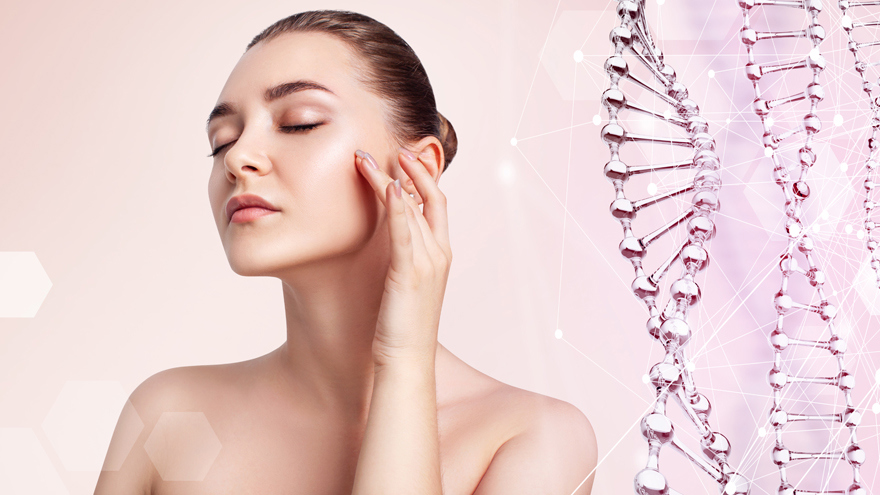
If glass skin is about clarity, honey skin is about vitality. The term refers to plump, nourished, radiant skin that almost looks as though it has been glazed with honey.
Scientifically, this is connected to the extracellular matrix (ECM)—the supportive network of collagen, elastin, and hyaluronic acid beneath the skin’s surface. When the ECM weakens with age, the skin becomes thin, less resilient, and prone to sagging.
Collagen stimulation: Treatments like prolotherapy or fractional CO2 lasers trigger fibroblasts to produce new collagen.
Nutrient support: Injectables enriched with hyaluronic acid and vitamins provide hydration and nourishment from within.
Stem cell therapy: By reactivating cellular repair pathways, stem cells restore thickness and elasticity at a deeper level.
This approach goes beyond surface glow. Patients often tell us that after regenerative treatments, their skin not only looks better but also feels stronger and less reactive.
Skin Fasting: Helpful Reset or Overhyped?
“Skin fasting” has gained attention as a supposed way to let the skin “breathe” by stopping all skincare products. The truth? Skin doesn’t breathe. But skin fasting can help in specific scenarios.
When patients layer too many active ingredients—like retinol, acids, and vitamin C serums—they often experience irritation, redness, or breakouts. Taking a break from products allows the skin to calm down and reset its tolerance. However, this doesn’t repair underlying issues.
At Gumdan Ewha, when we see cases of product-induced irritation, we don’t just recommend a pause. We use barrier-repairing treatments such as laser toning or stem cell serums to speed healing. Once the skin is stable, we guide patients toward a simplified, evidence-based skincare routine that complements medical treatments.
Regenerative Medicine: The Future of Skin Trends
While glass skin and honey skin capture attention, the most promising development in Korean dermatology is regenerative medicine. Instead of masking aging, regenerative treatments aim to reverse or slow it at the cellular level.
Prolotherapy: Like reinforcing the foundation of a house, prolotherapy strengthens weakened tissues and improves elasticity by stimulating natural repair mechanisms.
Stem cell rejuvenation: Stem cells act like repair supervisors, signaling aging cells to regenerate and restore function. This helps recover firmness, texture, and resilience.
Advanced laser therapy: New-generation lasers don’t just resurface—they penetrate deeper, stimulating collagen while maintaining minimal downtime.
These methods move beyond “trends.” They represent the next chapter in dermatology, where beauty treatments overlap with true regenerative medicine.
Patient Perspectives: What We See at Gumdan Ewha
To make this more concrete, here are a few anonymized examples from our clinic:
Case 1: The Overloaded Skincare Enthusiast
A woman in her early 30s came to us with inflamed, sensitive skin after following a 12-step skincare routine she saw online. Instead of adding more products, we recommended a course of calming laser treatments and regenerative serums. Within weeks, her skin calmed, and with a simpler routine, her glow became more stable.Case 2: The Early Prevention Approach
A man in his mid-20s, concerned about his family’s history of early wrinkles, visited us asking for prevention strategies. We recommended non-invasive hydration lasers and mild collagen stimulation therapies. His goal wasn’t drastic change but delaying visible aging—a very Korean approach.Case 3: Postpartum Skin Recovery
A new mother came in struggling with dullness, pigmentation, and elasticity loss after pregnancy. Through a combination of stem cell rejuvenation and targeted laser toning, she regained brightness and firmness without harsh products, giving her confidence during a busy, emotional life stage.
These stories highlight what trends don’t always show: true results come from personalized care, not one-size-fits-all routines.
What Actually Works—and What Doesn’t
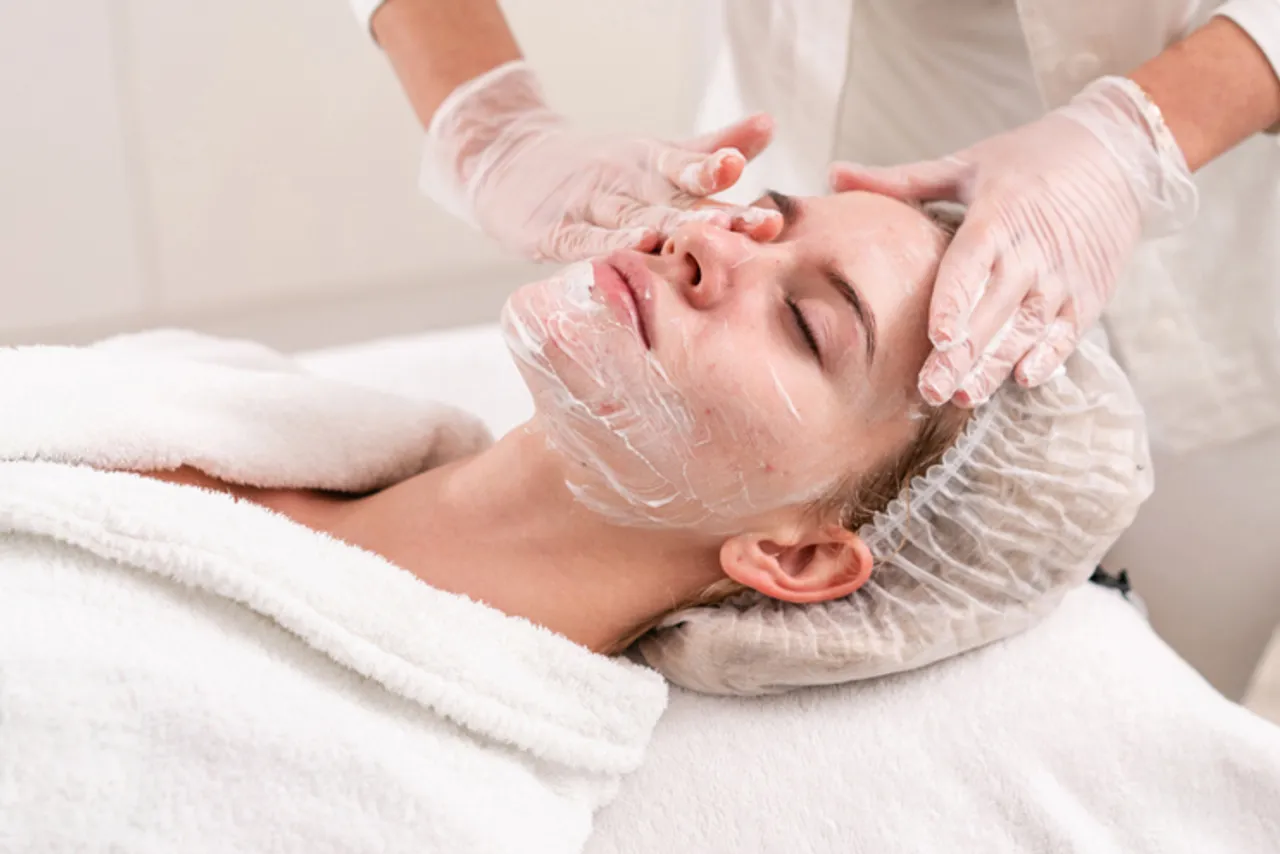
It’s tempting to believe every viral beauty hack, but not all are backed by science.
Sheet masks: Provide temporary hydration, but their effects fade within hours. Useful for events, not long-term care.
Product layering: More is not always better. Overuse can irritate the skin. Fewer, targeted products combined with medical treatments work better.
Professional treatments: Proven therapies like prolotherapy, stem cell injections, and lasers offer measurable, lasting improvements because they stimulate actual repair processes.
At Gumdan Ewha, our philosophy is precision medicine: selecting the right treatment for the right patient at the right time. This ensures safe, effective results without unnecessary interventions.
Conclusion: Trends Fade, Healthy Skin Lasts
Korean skin trends—glass skin, honey skin, skin fasting—capture global fascination. They reflect cultural values of prevention, subtlety, and innovation. But not every trend carries equal weight. True skin health comes from evidence-based care that hydrates, repairs, and strengthens the skin from within.
Regenerative medicine represents the future: treatments that don’t just change appearances but support the body’s own ability to heal and renew. At Gumdan Ewha Hospital, we combine advanced technologies with compassionate, personalized care—helping patients achieve skin that is not just beautiful but resilient.
If you’re considering non-surgical rejuvenation, explore options like Gumdan Ewha’s premium laser, prolotherapy, and stem cell therapies. Remember: trends may come and go, but radiant, healthy skin is timeless—and with the right approach, it can be yours for life.
More Articles
Continue reading our clinical guides and insights.
Pico Fraxel vs. CO2 Laser: Which Laser Treatment Is Best for Scars & Wrinkles?
Discover the differences between Pico Fraxel and CO2 laser treatments for scars and wrinkles. Find out which is best for your skin. Learn more today!
Learn More

Garlic IV for Inflammation: What Patients Say After One Session
Discover how Garlic IV therapy helps reduce inflammation and boost wellness. Read real patient experiences and results after just one session. Learn more!
Learn More

Should You Get a Detox IV After Travel or Illness?
Recover faster and rehydrate your body with a Detox IV after travel or illness. Flush out toxins, boost energy, and feel your best again—book your session today!
Learn More