Gumdan Ewha Hospital · Dermatology, Pain Relief & International Patient Concierge in Incheon
4.9 Patient Satisfaction
en-US


Medical Guide
The Best Time of Year for Skin Rejuvenation—According to Experts
Discover the best time of year for skin rejuvenation, backed by expert advice. Maximize results and glow year-round—find out when to start your treatment!
Schedule a ConsultationIntroduction

If you’ve ever looked in the mirror and thought, "It’s time to give my skin a refresh," you’re not alone. Skin rejuvenation is one of the most commonly requested procedures at aesthetic clinics across Korea, especially here at Gumdan Ewha Hospital in Incheon. Whether it's laser therapy, microneedling, or regenerative stem-cell treatments, our patients often ask one key question: "When is the best time of year to get this done?"
To be honest, many people don’t realize that when you choose to undergo treatment is almost as important as what treatment you get. Timing affects everything: how well your skin heals, the quality of your results, and how comfortably you recover. As a clinic that blends dermatology, regenerative medicine, and patient-centered care, we consider seasonal timing an essential part of the rejuvenation plan.
Understanding the ideal season can help patients plan their treatments around work, travel, or personal milestones. Whether you’re preparing for a wedding, family photos, or simply want to head into the new year feeling confident, selecting the right month can enhance both your experience and your results.
What Does "Skin Rejuvenation Timing" Mean?
At Gumdan Ewha Hospital, "skin rejuvenation" includes a range of therapies: fractional lasers, intense pulsed light (IPL), RF microneedling, chemical peels, stem-cell injections, and combination regimens that treat both surface-level damage and deeper aging processes.
"Timing," in this context, means understanding how external factors—especially sunlight, temperature, humidity, and lifestyle rhythms—affect your skin’s ability to heal. Even the best treatments can lead to side effects or suboptimal results if done at the wrong time.
Our Chief Physician, Dr. Soojin Do, often emphasizes: “Skin is like a living diary of your lifestyle and environment. If you plan your treatment with the seasons, you allow nature to support your skin’s healing instead of working against it.”
Why the Time of Year Matters
1. Sun Exposure and UV Damage
Most skin rejuvenation treatments make your skin temporarily more vulnerable. After resurfacing or regenerative therapies, the skin needs protection from UV rays to avoid hyperpigmentation, burns, and delayed healing. Summer, with its long days and strong sunlight, increases these risks significantly.
According to dermatology experts worldwide, laser and peel treatments should not be performed on tanned or sun-exposed skin. Even a mild tan can cause uneven outcomes or adverse reactions. That’s why many clinics, including ours, recommend avoiding high-sunlight periods for more intensive procedures.
2. Lifestyle and Recovery
Healing from rejuvenation requires downtime, limited sun exposure, and strict adherence to post-treatment protocols. Colder seasons naturally align with indoor living, layered clothing, and shorter daylight hours, making it easier to follow medical guidance.
It’s not just about avoiding the sun. Recovery also means allowing your body to rest, stay hydrated, and avoid excessive sweating or exposure to pollutants. That’s why many of our patients prefer the quieter, more reflective months of fall and winter.
3. Seasonal Skin Needs
Korean skin, often subjected to seasonal extremes, changes with the weather. After a summer of heat, sweat, and UV exposure, many patients present with sunspots, dullness, and uneven tone. Fall becomes the perfect opportunity to reverse damage and start fresh.
Conversely, winter can bring challenges like dryness, flaking, and increased sensitivity. This doesn’t mean treatments should be avoided, but it does require extra moisturizing and barrier-repair strategies, which we incorporate into every patient’s aftercare plan.
The Best Time of Year for Skin Rejuvenation: What Experts Say

Fall (September to November): The Golden Window
If we had to choose the best time of year for skin rejuvenation, it would be autumn. The weather is mild, sun exposure declines, and many patients are preparing for year-end events.
Clinics around the world refer to fall as "laser season" because it's the ideal climate for fractional lasers, deep peels, and regenerative treatments. At Gumdan Ewha Hospital, this is when we schedule most of our premium skin resurfacing packages.
The air is cool but not harsh, and the reduced UV index means your skin has the best environment to heal. Plus, with Chuseok and the holiday season ahead, many patients enjoy the psychological boost of heading into family gatherings and photo moments with radiant skin.
Winter (December to February): Safe with Caution
Winter offers low UV levels and indoor living, which are excellent for healing. However, the dry air and indoor heating systems can challenge the skin barrier. Patients undergoing winter treatments need to follow robust skincare routines to maintain hydration and resilience.
We often recommend stem-cell therapies or skin-boosting injectables during this period, combined with home-care regimens that include ceramides, hyaluronic acid, and gentle exfoliation. For patients willing to invest in post-care discipline, winter treatments can deliver excellent results.
Spring (March to May): A Mixed Bag
Spring offers a transitional period. It’s acceptable for treatments like RF microneedling, light peels, and non-invasive maintenance therapies, but caution is required with resurfacing procedures, especially if your skin still holds a winter tan or if you're planning spring travel.
Allergies can also complicate spring treatments. If you have sensitive or reactive skin, pollen and climate shifts might trigger inflammation. During consultations, we assess seasonal skin sensitivity and adjust accordingly.
Summer (June to August): Proceed with Caution
While not impossible, summer treatments are generally reserved for low-downtime procedures like superficial peels, injectables, or regenerative skin-boosters with strict sun protection. If you must undergo treatment during summer due to travel or scheduling conflicts, we create a highly personalized protection plan.
This includes sunscreen with SPF 50+, sun hats, avoidance of direct sunlight, and even post-treatment LED therapies to calm inflammation. In some cases, we recommend splitting treatments over several visits with lighter intensities to reduce risk.
How We Personalize Timing at Gumdan Ewha Hospital
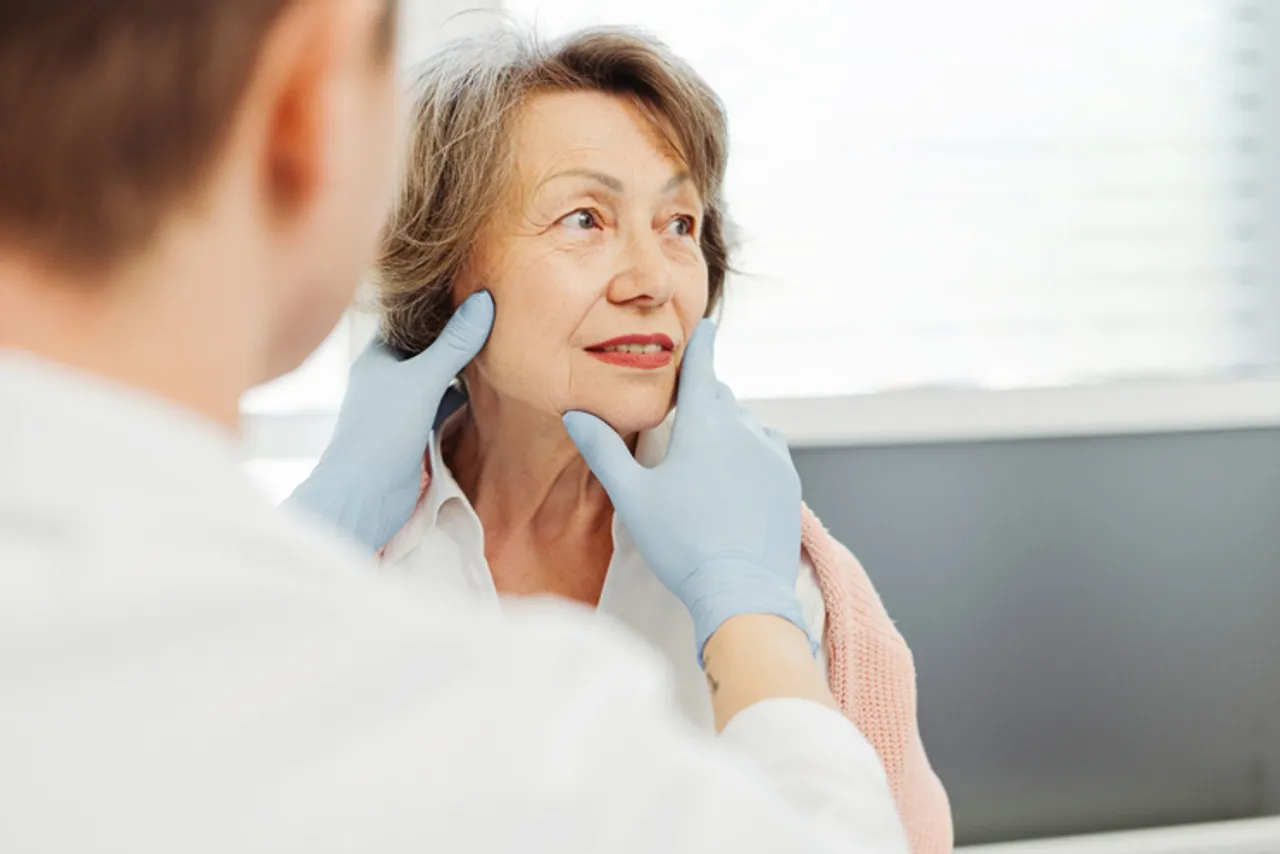
Every patient has a different lifestyle, skin condition, and goal. Here’s how we approach treatment planning:
Step 1: Skin Analysis & Consultation
We assess:
Your pigmentation level, texture, and aging concerns
Recent sun exposure and lifestyle patterns
Upcoming events or travel plans
This helps us determine not only which treatment suits you, but when it should be scheduled for best effect.
Step 2: Treatment-Timing Match
Aggressive resurfacing: Best scheduled in autumn
Moderate rejuvenation: Autumn to early spring
Light/maintenance: Year-round with modifications
Our regenerative therapies, like stem cell boosters and Exosome facials, offer flexibility, but we still optimize them around weather and sun intensity.
Step 3: Preparation and Aftercare
Pre-treatment: Avoid tanning, use SPF 50+, prepare the skin barrier
Post-treatment: Sun protection, rest, barrier recovery, hydration
We also provide medical-grade skincare kits to assist in every step of recovery, with special attention given to maintaining collagen, hydration, and skin elasticity.
Real Case Example:
A 42-year-old woman came to us in late August with sunspots and dullness. We started skin prep in September, performed a fractional laser + stem cell combo in October, and followed up with RF tightening in November. By December, she reported brighter, firmer skin and received compliments during her family holiday events.
This sequence allowed us to address her concerns in a layered, gradual way—giving her both immediate glow and long-term texture improvement.
Considerations for the Incheon/Korea Climate
Incheon, like most of Korea, has high UV levels from late spring through summer. As such:
Avoid July-August for aggressive treatments
Use September-November as your ideal window
Winter is fine, but requires extra moisturization and barrier repair
If you're a medical traveler, plan your trip around these timelines. Our team at Gumdan Ewha Hospital provides packages with consultation, treatment, and healing support tailored for international patients.
We also offer English-speaking services and personalized recovery guides for those flying in from other countries, ensuring you leave Korea with both memories and a healthier glow.
Final Thoughts: It's Not Just About What—But When
Timing isn’t everything, but it’s close. Many patients focus entirely on the type of laser or the brand of filler, but overlook the role of seasons and healing environments. By aligning your treatment with your body’s natural rhythm and the seasonal climate, you improve your chances of a safe, glowing, and long-lasting result.
At Gumdan Ewha Hospital, we don’t just treat skin—we plan skin journeys. We consider your skin’s biology, your lifestyle, and the environment in which healing will occur. That’s what makes our approach both advanced and deeply personal.
If you’re ready to explore options for skin rejuvenation, whether it's for anti-aging, pigmentation, or overall renewal, let us help you decide not only what to do, but when to do it.
More Articles
Continue reading our clinical guides and insights.
Pico Fraxel vs. CO2 Laser: Which Laser Treatment Is Best for Scars & Wrinkles?
Discover the differences between Pico Fraxel and CO2 laser treatments for scars and wrinkles. Find out which is best for your skin. Learn more today!
Learn More

Garlic IV for Inflammation: What Patients Say After One Session
Discover how Garlic IV therapy helps reduce inflammation and boost wellness. Read real patient experiences and results after just one session. Learn more!
Learn More

Should You Get a Detox IV After Travel or Illness?
Recover faster and rehydrate your body with a Detox IV after travel or illness. Flush out toxins, boost energy, and feel your best again—book your session today!
Learn More