Gumdan Ewha Hospital · Dermatology, Pain Relief & International Patient Concierge in Incheon
4.9 Patient Satisfaction
en-US

Medical Guide
The Best Laser Treatment for Sensitive Skin in 2025
Discover the best laser treatment for sensitive skin in 2025—gentle, effective, and safe for all skin types. Find your perfect solution today!
Schedule a ConsultationIntroduction
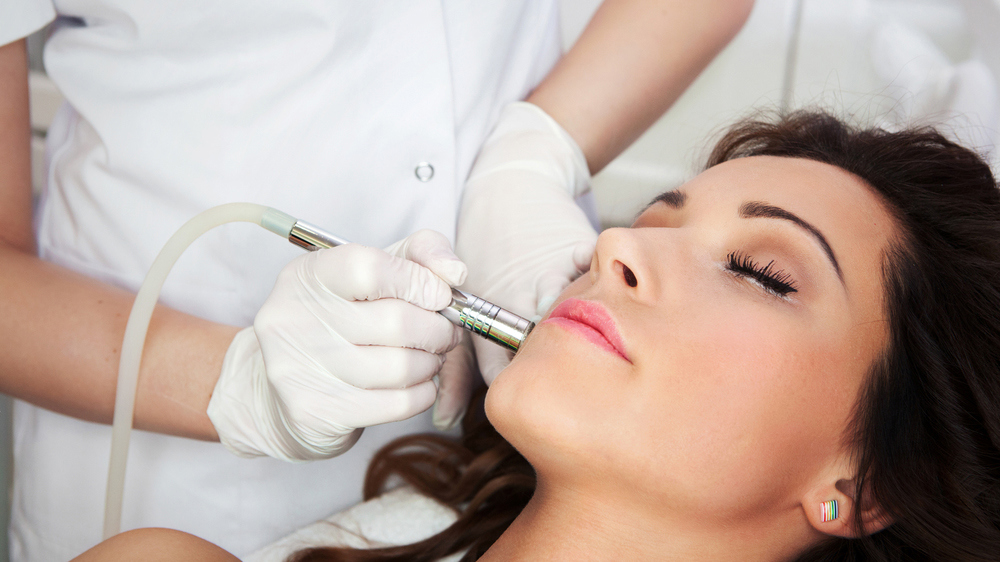
In 2025, the world of aesthetic medicine is smarter and safer than ever. Yet for patients with sensitive skin, laser treatments still raise a critical question: Is it worth the risk?
At Gumdan Ewha Hospital, where we care for a growing number of Incheon locals and international visitors seeking non-invasive rejuvenation, we hear this concern all the time. Sensitive skin doesn’t just mean a little redness after a harsh product. It often involves chronic reactivity, fragile barriers, and unpredictable flare-ups that can turn even a mild treatment into a prolonged recovery. And for patients in Korea—especially those with Fitzpatrick skin types III to IV—the risk of pigmentation, lingering erythema, or dermal inflammation is real.
But does that mean you must give up on the benefits of lasers altogether? Absolutely not. In fact, the progress in laser technology and technique over the last few years has been especially impactful for sensitive skin types. Devices are now more refined, energy settings more tunable, and protocols more holistic.
So, what are the safest, most effective laser treatments available today for sensitive skin? And how do you know which approach is right for you?
Let’s break it down from a clinician’s perspective.
Why Laser Treatments Are Tricky for Sensitive Skin (But Getting Safer)?
To be honest, the skin doesn’t like trauma. Lasers, by nature, create controlled micro-injuries to stimulate repair. For sensitive skin types, that control must be exceptional. Otherwise, you risk:
Post-inflammatory hyperpigmentation (PIH) – more common in Asian skin tones, often worsened by heat or friction
Persistent redness or flushing – especially if there’s any underlying rosacea or vascular fragility
Flare-ups of rosacea or eczema – common in patients with a damaged barrier or immune-reactive skin
Barrier disruption and delayed healing – particularly if lasers are applied too aggressively or without proper prep and aftercare
In Korean dermatology, where patients tend to prefer minimal downtime and have diverse pigmentation types, the margin for error is small. A single poorly chosen treatment can result in pigmentation that lasts for months.
That’s why modern devices in 2025 are designed to be more adaptive. They use fractional delivery, cooling systems, multiple passes at lower fluence, and real-time feedback to protect the skin while still delivering results. For example, systems like Cutera’s Excel V+ and Lutronic’s Ultra are becoming standard tools not only because of their efficacy, but their precision and safety.
Most importantly, clinicians now see lasers not as one-size-fits-all interventions, but as components in a larger, layered treatment plan. That’s a huge win for sensitive skin.
Our Top Gentle Laser Picks for Sensitive Skin in 2025
Here are the most promising, clinician-approved laser and light-based options we consider for sensitive skin patients at Gumdan Ewha Hospital:
Laser Genesis (Nd:YAG 1064nm)
Think of this as a warm massage for your skin. Laser Genesis uses gentle, non-ablative heat to stimulate collagen, reduce redness, and improve tone with zero downtime. It works by gradually heating the dermis, which stimulates collagen production and calms overactive capillaries.
Pros: Very low risk of PIH, no peeling, minimal sensation, cumulative benefits
Best for: Redness, mild textural smoothing, early aging signs, rosacea-prone skin
Recommended frequency: 4–6 sessions spaced 2–4 weeks apart for best results
Thulium 1927nm Fractional Laser (e.g., Lutronic Ultra)
This is the quiet powerhouse. Thulium lasers target the upper dermis and epidermis, making them excellent for pigmentation and texture without overly ablating the skin. They are often used in low-density passes for patients with compromised barriers.
Pros: Controlled energy, faster healing than CO2, customizable depth
Cons: Some redness and dryness for 1–3 days
Best for: Pigmented spots, tone correction, photoaging, melasma (when stable)
Unique tip: Combine with tranexamic acid ampoules post-laser for melasma-prone patients
Fractional Non-Ablative Lasers (e.g., 1540nm, 1550nm)
These lasers create precise micro-injuries deep in the skin without removing surface layers. Healing is fast, and inflammation is low. We often use these for patients seeking “baby steps” into skin resurfacing without the risks.
Pros: Skin integrity remains intact, excellent for maintenance
Cons: More sessions needed for visible change
Best for: Mild texture issues, early wrinkles, pore refinement
Er:YAG (Erbium) Lasers - Light Fractional Mode
Erbium lasers, when used in fractional, low-density settings, can gently exfoliate and rejuvenate with less heat than traditional CO2 lasers. They are excellent for improving fine lines or acne scars in sensitive skin patients who can tolerate a touch more intensity.
Pros: Clean ablation with minimal thermal damage, adjustable density
Cons: Not for those with very thin or inflamed skin, downtime up to 5 days
Best for: Superficial scars, fine lines, rough skin texture
Intense Pulsed Light (IPL) or Broadband Light (BBL)
Though not technically lasers, IPL and BBL use filtered light to target brown spots and redness. With the right filters and conservative settings, they can be safe for sensitive skin, especially when targeting redness and sun-induced pigmentation.
Pros: Versatile, quick, often used for rosacea or pigmentation
Cons: Risk of over-treatment if poorly calibrated; requires cooling
Best for: Sun damage, capillaries, uneven tone
Pro tip: Always use after thorough consultation and pre-treatment test on sensitive skin
LED and Low-Level Light Therapy (LLLT)
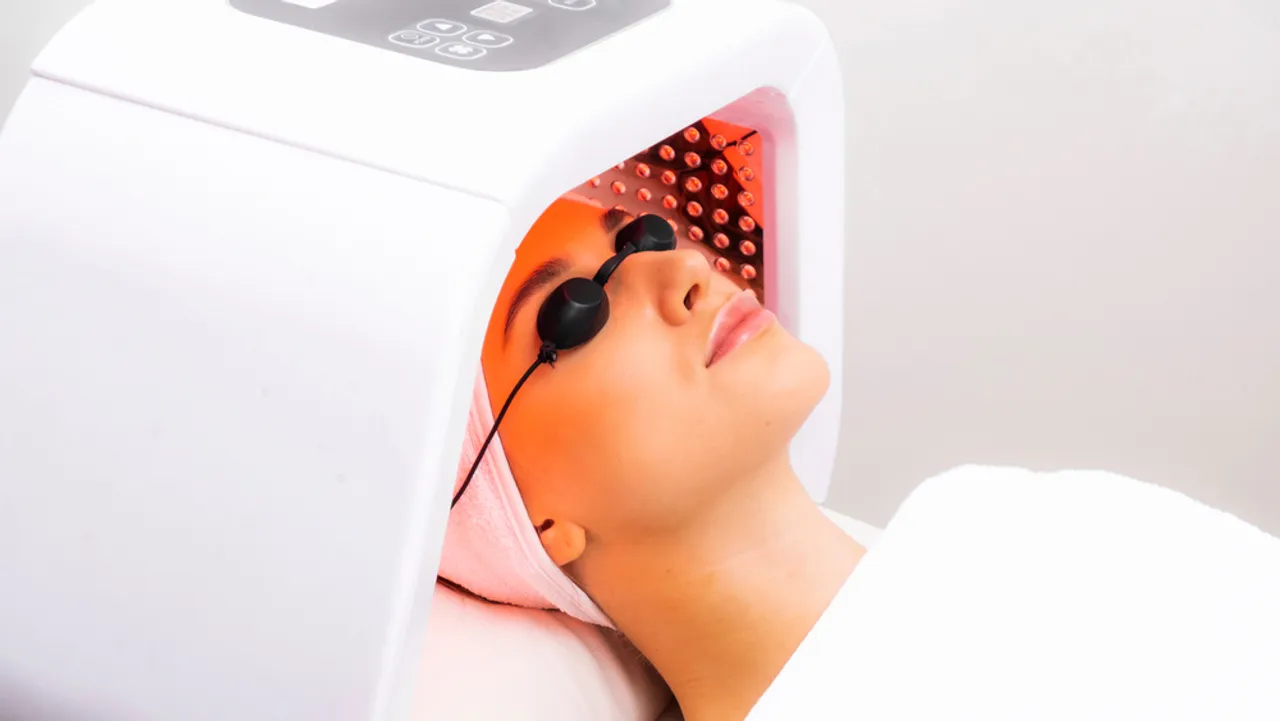
This isn’t about resurfacing but rather calming and supporting the skin. Red light, near-infrared, and blue light can reduce inflammation and boost healing. At Gumdan Ewha, we often add LED immediately post-laser to speed recovery.
Pros: No heat, no injury, excellent post-laser adjunct
Cons: Gentle but slow – not a primary anti-aging treatment
Best for: Calming, maintenance, recovery support
Why Technique, Not Just Technology, Matters Most?
Many patients don’t realize: it’s not only about the device, but how it’s used. The same laser can be either therapeutic or traumatic depending on who’s operating it.
A skilled clinician adjusts parameters to suit your skin’s needs:
Fluence (energy level): Too high = damage, too low = no effect
Pulse duration: Impacts depth of penetration and inflammation
Spot size: Influences heat dispersion and risk of burn
Number of passes: More passes = more trauma, but not always more benefit
Cooling and skin prep: Critical for reducing risk in sensitive types
At Gumdan Ewha Hospital, we always start with detailed mapping of your skin’s baseline health, pigmentation risks, and reactivity. For sensitive skin, we do:
Patch testing before full treatment
Gradual escalation in energy and density
Active barrier repair pre- and post-procedure
Multi-modal layering (e.g. combining laser + LED + topical peptides)
We don’t believe in “one size fits all” treatment menus. Your skin gets a personalized protocol—just as it should.
Real Patient Scenario: Sensitive Skin, Real Results
Let’s take a recent case.
A 37-year-old patient came to us with visible redness, enlarged pores, and pigmentation after years of sun exposure. Her skin was reactive, prone to flushing, and previously flared up after an aggressive peel.
Plan:
Start with two sessions of Laser Genesis to calm vessels and build tolerance.
Transition to low-density Thulium 1927 laser for pigmentation and tone.
Apply LED therapy after each session to accelerate recovery.
Use prescription-strength antioxidants and SPF 50+ daily.
Outcome: Within 3 months, her tone was brighter, her redness decreased by 60%, and no post-treatment complications occurred.
That’s the kind of transformation we aim for: results without regret.
Questions to Ask Before You Book a Laser Treatment
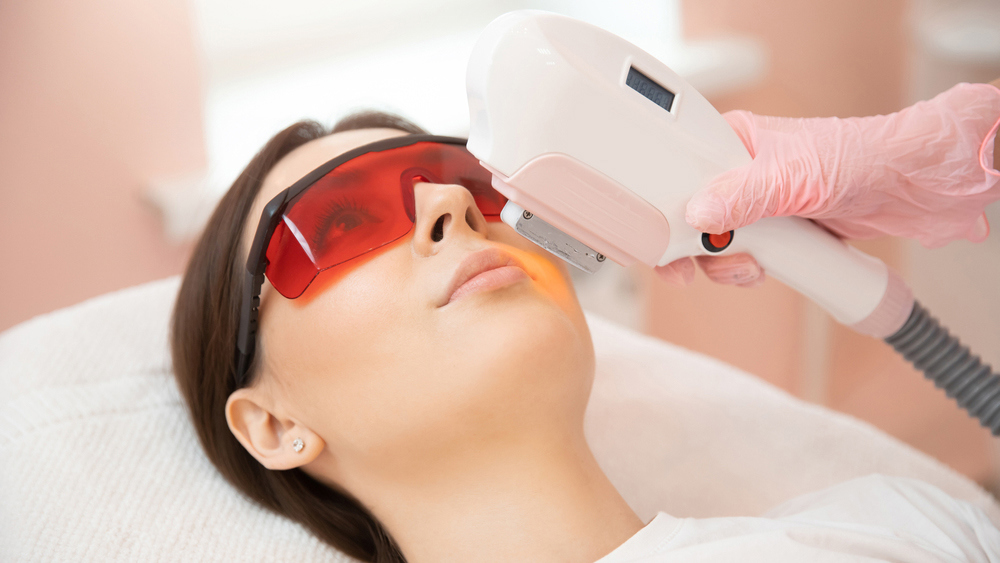
If you’re considering laser therapy for sensitive skin, ask your provider:
What device will you use and why?
Do you offer test spots?
How will you tailor settings to my skin type?
What cooling or calming protocols are in place?
What’s the expected downtime, and how do I manage it?
How many sessions will I need realistically?
These questions help filter out generic medspas from medically led clinics. In sensitive skin care, that difference matters more than most people realize.
Conclusion: There Is a Safe Way Forward
In 2025, the best laser for sensitive skin isn’t one single device. It’s a combination of technology, personalization, and medical insight. You need a practitioner who understands not just lasers, but your skin—its temperament, its triggers, and its potential.
At Gumdan Ewha Hospital, we believe in gentle strength. That means using the least aggressive method necessary to achieve visible change. It means tracking your response session by session. And above all, it means respecting the skin’s rhythm.
We don’t push procedures—we partner with patients. Whether it’s redness, pigmentation, or early aging, there is always a path that prioritizes both safety and satisfaction.
If you’ve been hesitant to try laser treatments because of sensitive skin, come talk to us. You may be surprised how much we can safely accomplish—with the right hands, the right plan, and the right care.
More Articles
Continue reading our clinical guides and insights.
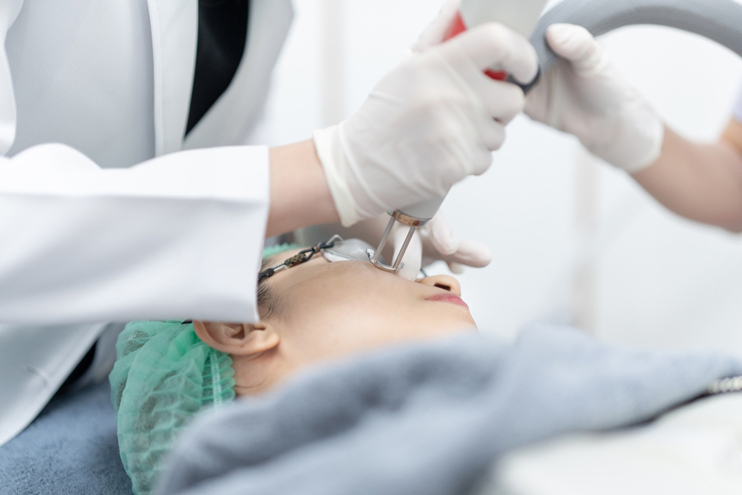
Pico Fraxel vs. CO2 Laser: Which Laser Treatment Is Best for Scars & Wrinkles?
Discover the differences between Pico Fraxel and CO2 laser treatments for scars and wrinkles. Find out which is best for your skin. Learn more today!
Learn More
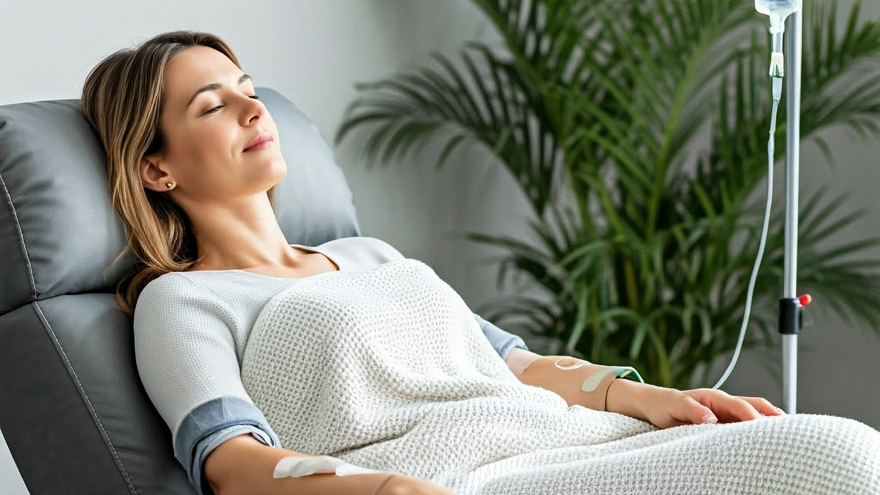
Garlic IV for Inflammation: What Patients Say After One Session
Discover how Garlic IV therapy helps reduce inflammation and boost wellness. Read real patient experiences and results after just one session. Learn more!
Learn More

Should You Get a Detox IV After Travel or Illness?
Recover faster and rehydrate your body with a Detox IV after travel or illness. Flush out toxins, boost energy, and feel your best again—book your session today!
Learn More