Gumdan Ewha Hospital · Dermatology, Pain Relief & International Patient Concierge in Incheon
4.9 Patient Satisfaction
en-US

Medical Guide
Pigmentation Issues? Top 3 Lasers That Dermatologists Trust
Pigmentation issues? Discover the top 3 lasers dermatologists trust to fade dark spots and even skin tone. Learn how each works and find your best option — Learn more!
Schedule a ConsultationIntroduction
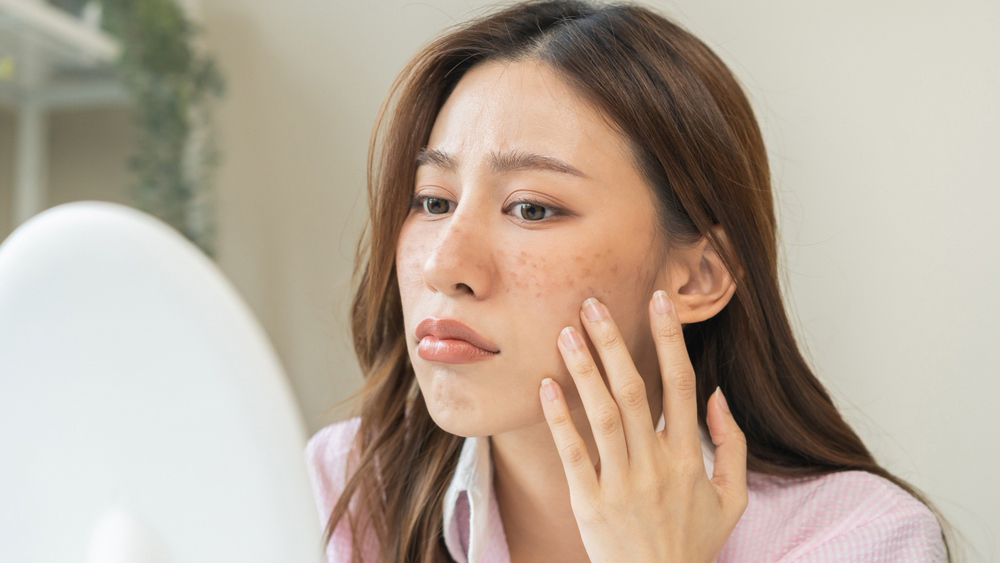
Pigmentation — whether it shows up as sun spots, melasma, or post-inflammatory marks — is more than a cosmetic concern. For many patients we see at Gumdan Ewha Hospital in Incheon, these skin changes impact daily confidence, professional image, and even social comfort. Despite a consistent skincare routine and diligent sun protection, some pigmentation simply refuses to fade. It's a deeply frustrating reality.
To be honest, pigmentation is one of the most complex skin concerns to treat. Why? Because it's not just "color on the skin." It's a dynamic, multilayered condition influenced by genetics, hormones, inflammation, UV exposure, and lifestyle. That means treating it requires more than a good cream — it demands strategy, precision, and the right technology.
This is where laser dermatology steps in. But with so many types on the market, how do you know which lasers dermatologists truly trust for pigmentation? At Gumdan Ewha Hospital, we've worked with hundreds of patients across a range of skin types and pigmentation issues. Here are the top three lasers we rely on in clinical practice, and why they make such a difference.
Why Lasers Are Essential in Pigment Treatment?
Before diving into specific devices, it's worth understanding why lasers are often essential in pigment care. Topical treatments can help with surface pigment or prevent recurrence, but they usually struggle to break down existing melanin clusters, especially if they sit deep in the skin.
Lasers use targeted light energy to reach into different layers of the skin and disrupt pigment particles, allowing your body to gradually remove them. When done properly, laser therapy is one of the most effective tools available for:
Sun-induced pigmentation (freckles, lentigines)
Hormonal pigmentation (melasma)
Post-inflammatory hyperpigmentation (PIH)
Deep congenital pigment (nevus of Ota)
But each laser is tuned to a different depth and type of pigmentation. The wrong match can lead to no results — or worse, worsening of pigment. That’s why we emphasize personalized laser protocols at Gumdan Ewha.
Laser #1: Q-Switched Nd:YAG Laser (532 & 1064 nm)
The Workhorse for Asian Skin Types
The Q-Switched Nd:YAG is one of the most widely used lasers for pigmentation, especially in Korean dermatology. It emits very short bursts of energy (in nanoseconds) that shatter melanin into tiny particles.
Why we trust it:
Safe across a wide range of skin tones, including darker types
Dual wavelengths:
532 nm for surface pigment (like freckles)
1064 nm for deeper lesions (like melasma or dermal pigmentation)
Minimal downtime and discomfort
Best for:
Freckles and sun spots
Nevus of Ota
Mild to moderate melasma (with caution)
PIH from acne or procedures
Patient experience: Most treatments take about 10–20 minutes. You'll feel a snapping sensation, like a rubber band on the skin. Slight redness or "peppering" may appear for a few days.
Pro Tip from our clinic: We often combine 1064 nm sessions with tranexamic acid topicals, oral therapy, and antioxidant support to safely treat melasma in stages. Pigment tends to respond better when the skin's inflammation and melanocyte activity are calmed through multi-level care.
Additional Insight: At Gumdan Ewha Hospital, we emphasize slow, low-energy protocols for melasma patients, often starting with a trial area. Pigmentation, especially hormonal types, must be approached with patience and caution.
Laser #2: Picosecond Lasers (e.g., PicoSure)
The New Gold Standard
Picosecond lasers like PicoSure represent a breakthrough in pigment technology. Instead of nanosecond pulses, they deliver energy in picoseconds (trillionths of a second) — leading to finer pigment fragmentation with less surrounding damage.
Why we use it:
Faster pigment clearance
Less thermal injury means safer for sensitive or reactive skin
Also treats acne scars, pores, and textural concerns
Best for:
Stubborn freckles or sun spots
Layered pigmentation (common in older patients)
Tattoo pigment removal
Post-inflammatory hyperpigmentation
Patient experience: Patients usually notice improvement after fewer sessions compared to older lasers. Sessions feel faster and gentler. Flaking may occur as pigment exits the skin.
Gumdan Insight: We often recommend Pico lasers for patients who didn't respond well to traditional Q-switched treatments. The finer fragmentation really makes a difference for lingering pigment. We've seen patients who struggled for years with makeup-dependence regain skin clarity and freedom after just a few sessions.
Combination Approaches: For challenging PIH or mixed pigment types, we sometimes layer Pico laser with gentle peels, vitamin C iontophoresis, or LED therapy for synergistic results.
Laser #3: Fractional 1550 nm (Non-Ablative)

Skin Remodeling from the Inside Out
Unlike the previous two, the Fractional 1550 nm laser doesn’t directly break pigment. Instead, it creates micro-injuries deep in the dermis that stimulate collagen renewal and cellular turnover. This indirectly helps fade pigmentation and improve overall skin tone and texture.
Why dermatologists love it:
Excellent for melasma and mixed pigment types
Addresses underlying inflammation and skin aging
Improves acne scars and fine lines at the same time
Best for:
Melasma with underlying skin sensitivity
Sun-damaged, rough skin
Combined pigment + texture issues
Treatment notes: Sessions are longer (30–45 minutes) and may involve mild redness and swelling for a few days. Results build over time.
Clinic Insight: We often pair fractional laser with topical tranexamic acid, niacinamide, and skin barrier fortifying creams. This trio calms melanocyte reactivity, restores hydration, and encourages balanced skin regeneration.
Long-Term Value: While results may be more gradual than pigment-focused lasers, fractional 1550 nm can transform the skin holistically, making it a smart investment for those seeking anti-aging and brightening benefits.
Which Laser Is Right for You?
Every skin is unique. At Gumdan Ewha Hospital, we don’t just look at your spots — we assess:
Depth of pigment
Skin tone and sensitivity
Hormonal influences
Lifestyle and sun habits
History of previous treatments
We often conduct a test spot to check for safety and response, then customize a schedule of 3–6 sessions based on your needs. Some pigment, especially melasma, may require ongoing maintenance.
In addition, we provide:
Digital skin analysis to map pigment distribution
Photographic tracking to monitor changes
Educational counseling so patients understand what to expect, what to avoid, and how to optimize their results
Results: What to Expect
Pigmentation doesn’t vanish overnight, but with the right laser and discipline, the skin becomes noticeably clearer and more even-toned.
Most patients see:
20–40% lightening after 2–3 sessions
Continued improvement over 2–3 months
Better results when combined with daily SPF 50+ and pigment-calming skincare
Realistic Expectations: Laser isn't a magic wand. It resets the skin's pigment balance, but the environment, hormones, and daily habits continue to influence results. Long-term success often depends as much on what you do between sessions as on the lasers themselves.
Myths & Truths About Laser Pigment Treatment
Myth: "Lasers remove pigment in one shot."
Truth: Most require several sessions for best results. Gradual improvement prevents shock to the skin.Myth: "Lasers aren’t safe for darker skin."
Truth: When used correctly (especially Nd:YAG 1064 nm), lasers are safe and effective for Fitzpatrick skin types III to V.Myth: "Once pigment is gone, it never returns."
Truth: Sun exposure, hormones, and skin inflammation can trigger relapse. Ongoing care is key.
The Gumdan Ewha Approach: Precision Meets Compassion
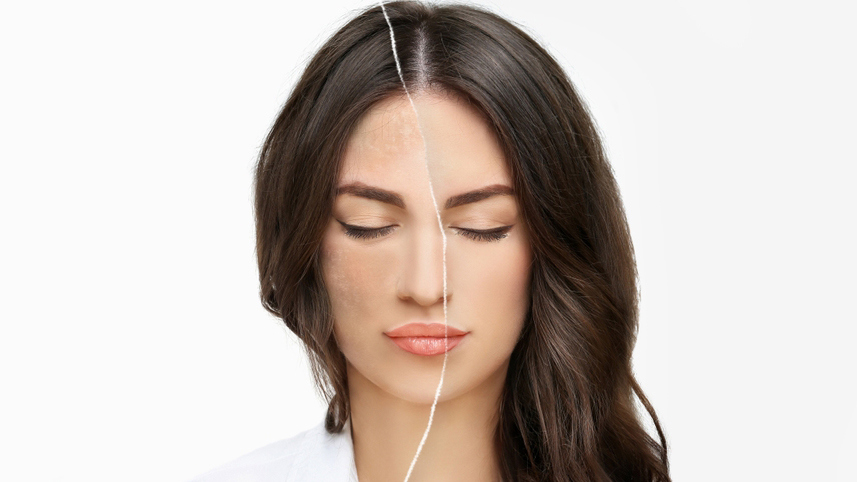
At Gumdan Ewha Hospital, our goal isn’t just to fade pigment — it’s to understand your skin and support its long-term health. Led by Dr. Soojin Do, a specialist in aesthetic and regenerative dermatology with years of experience in Gangnam’s top clinics, our laser protocols are:
Personalized to your skin history and lifestyle
Safe for all skin tones
Combined with medical skincare and wellness strategies
Designed to deliver real, lasting change
We’ve treated thousands of pigmentation cases with success stories that reflect not just clearer skin, but restored confidence.
Our facility in Incheon features:
Advanced laser suites
Private treatment rooms
Aftercare support and consultation follow-up
Regenerative medicine options for post-laser healing
Final Thoughts: Don’t Settle for Living with Pigment
If pigmentation is affecting how you feel about your skin, know this: there are safe, effective, and proven options available.
Lasers like Q-switched Nd:YAG, Picosecond technology, and Fractional 1550 nm have helped countless patients reclaim clarity. The key is finding the right match for your skin, used by a team that understands both the science and emotion behind every case.
You don’t have to live with unwanted pigmentation.
At Gumdan Ewha Hospital, we believe in results rooted in expertise, delivered with empathy.
Let us help you:
Understand your skin
Choose the safest and most effective laser
Build a plan for sustainable, long-term skin clarity
More Articles
Continue reading our clinical guides and insights.
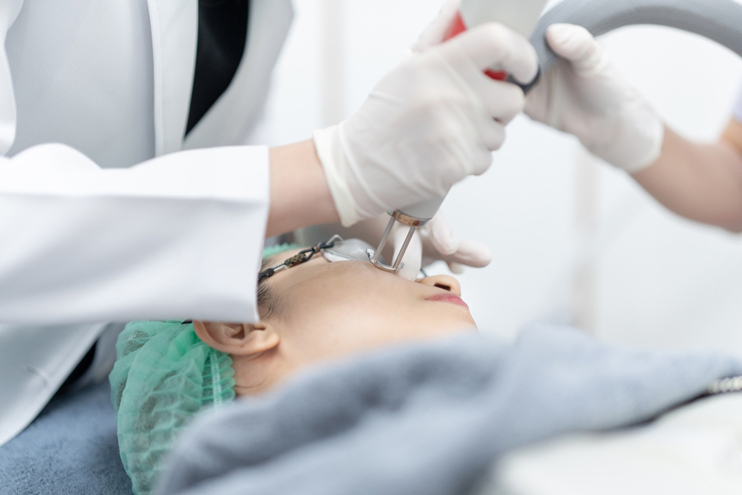
Pico Fraxel vs. CO2 Laser: Which Laser Treatment Is Best for Scars & Wrinkles?
Discover the differences between Pico Fraxel and CO2 laser treatments for scars and wrinkles. Find out which is best for your skin. Learn more today!
Learn More

Garlic IV for Inflammation: What Patients Say After One Session
Discover how Garlic IV therapy helps reduce inflammation and boost wellness. Read real patient experiences and results after just one session. Learn more!
Learn More

Should You Get a Detox IV After Travel or Illness?
Recover faster and rehydrate your body with a Detox IV after travel or illness. Flush out toxins, boost energy, and feel your best again—book your session today!
Learn More