Gumdan Ewha Hospital · Dermatology, Pain Relief & International Patient Concierge in Incheon
4.9 Patient Satisfaction
en-US

Medical Guide
Hyperhidrosis Botox: Stop Excessive Sweating with a Quick Injection
Say goodbye to sweat with Hyperhidrosis Botox. Stop excessive sweating fast with safe, quick injections. Learn more about lasting relief today!
Schedule a ConsultationIntroduction: Living with Excessive Sweating
Imagine sitting in a quiet classroom, gripping your pen, only to notice sweat dripping onto your exam paper. Or walking into a business meeting with confidence—only to feel embarrassed as your underarms quickly darken your shirt. For people with hyperhidrosis, this isn’t a rare accident. It’s daily life.
Many describe it as a silent struggle: carrying tissues in every pocket, avoiding light-colored clothes, refusing handshakes, or even skipping social events. While others may laugh it off as “just sweating,” patients know the truth—hyperhidrosis isn’t about hygiene or nerves. It’s a medical condition that can erode self-esteem and interfere with work, relationships, and mental health.
At Gumdan Ewha Hospital in Incheon, we meet patients every week who whisper: “Doctor, I’ve been hiding this for years. I didn’t even know there was a treatment.” One of the most effective solutions we offer is Botox injections for hyperhidrosis. Safe, quick, and minimally invasive, Botox can reduce sweating dramatically—helping patients reclaim comfort and confidence.
This article will guide you through everything you need to know about hyperhidrosis Botox: what it is, how it works, what to expect, and why many people in Korea and worldwide now choose it over surgery or endless deodorant routines.
What Is Hyperhidrosis?
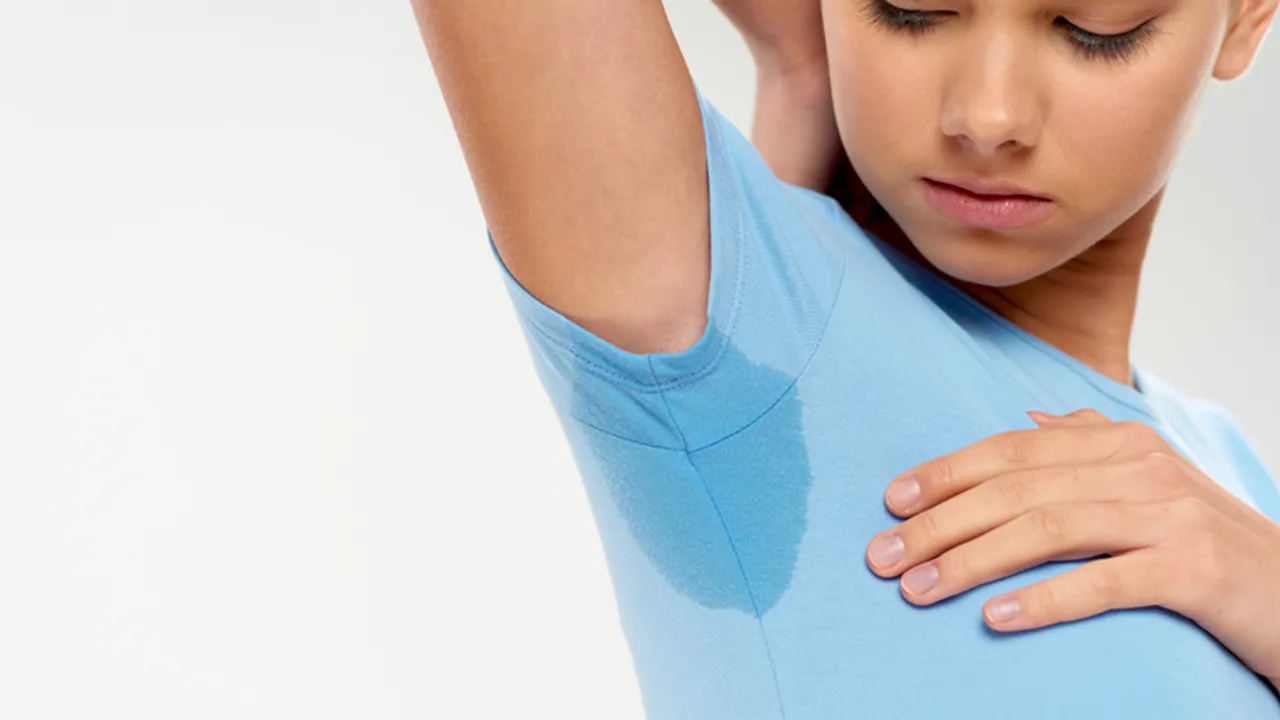
Hyperhidrosis is a medical condition characterized by excessive sweating that goes far beyond the body’s normal need to regulate temperature. While sweating is healthy and essential for cooling the body, in hyperhidrosis the sweat glands are overactive—producing far more sweat than necessary, often without heat, exercise, or emotional triggers.
Types of Hyperhidrosis
- Primary (Focal) Hyperhidrosis
Usually begins in childhood or adolescence.
Affects specific, symmetrical areas: palms, soles, underarms, scalp, or face.
Not caused by another disease—it’s thought to be linked to overactivity in the sympathetic nervous system.
Many patients have a family history of the condition.
- Secondary (Generalized) Hyperhidrosis
Caused by another medical problem, such as thyroid imbalance, diabetes, obesity, menopause, infections, or certain medications.
Often affects the entire body rather than just one area.
Can appear suddenly in adulthood.
How It Affects Daily Life
Patients with hyperhidrosis often describe their sweat as uncontrollable and unpredictable. Even in cool weather or while resting, the sweat can soak through clothes, drip from hands, or make shoes slippery.
At Gumdan Ewha Hospital, we hear stories like:
Students unable to hold pens because sweat smudges their paper.
Professionals embarrassed during handshakes or meetings.
Young adults avoiding light-colored clothing to hide sweat stains.
It’s important to understand: hyperhidrosis is not a reflection of poor hygiene or nervousness. It is a recognized medical condition, and safe, effective treatments exist.
Why Botox Works for Hyperhidrosis
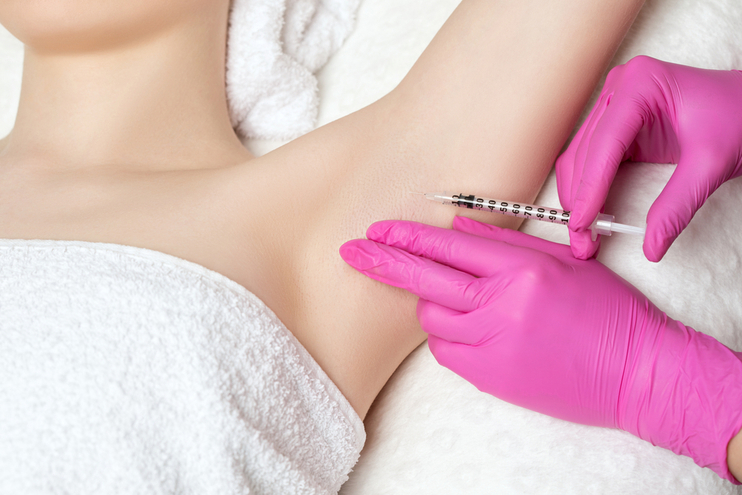
Botox, or botulinum toxin type A, works by temporarily blocking nerve signals that stimulate sweat glands.
Think of sweat glands as faucets. In hyperhidrosis, the faucet is stuck in the “on” position, releasing water constantly. Botox acts like turning off the valve—stopping sweat production in the treated area.
Key Advantages of Botox for Hyperhidrosis
Fast results: noticeable dryness in 3–7 days.
Long-lasting: effects last 6–9 months, sometimes up to a year.
Targeted: only the treated areas are affected. Your body still sweats normally elsewhere.
Non-invasive: no surgery, no scarring, no downtime.
Botox has been FDA-approved for hyperhidrosis since 2004, with decades of clinical use worldwide.
What Happens During Treatment at Gumdan Ewha Hospital
Patients often feel nervous before their first session—worried about pain or side effects. At Gumdan Ewha Hospital, we emphasize both precision and comfort.
Step 1: Consultation & Diagnosis
We begin with a detailed evaluation:
Medical history (to rule out secondary causes).
Physical examination (to identify sweat patterns).
Starch-iodine test (sometimes used to map sweat zones).
Step 2: Preparation
The skin is cleaned thoroughly.
A numbing cream is applied for comfort. For sensitive areas like palms, we may use additional anesthesia techniques.
Step 3: Injections
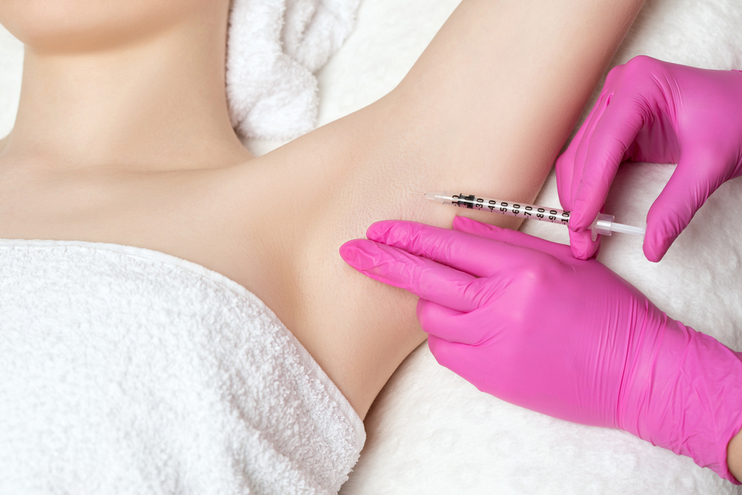
Botox is injected just under the skin using ultra-fine needles.
Multiple tiny injections are placed in a grid pattern across the sweating zone (e.g., underarms, palms, soles).
The process typically takes 20–30 minutes.
Step 4: Aftercare
Normal activities can be resumed immediately.
Avoid saunas, hot baths, or strenuous exercise for 24 hours.
Results begin within days and peak after 2 weeks.
Patients are often surprised: “That’s it? I expected something much more complicated.”
Common Questions Patients Ask
“Will it hurt?”
Discomfort is minimal. For palms and soles, which are more sensitive, we use numbing options to reduce pain.
“Is it safe?”
Yes. Botox is safe when administered by trained physicians. Side effects are rare and usually temporary (mild bruising or tenderness).
“Will I sweat more somewhere else?”
No. This is a common misconception. Botox only reduces sweat in the treated area. Your body continues to regulate temperature normally.
“How long does it last?”
Typically 6–9 months. Some patients notice longer effects after repeated treatments.
“Is it covered by insurance?”
In Korea, insurance coverage varies depending on severity and location of treatment. Our staff guide patients through cost options transparently.
Emotional Transformation: Beyond Dry Skin
The medical effect of Botox is measurable—less sweat. But the emotional effect is immeasurable.
Patients often describe:
Renewed confidence: Shaking hands without anxiety.
Wardrobe freedom: Wearing white or pastel clothes again.
Professional ease: No longer worrying about visible sweat during presentations or interviews.
One Gumdan Ewha patient told us:
“I used to carry extra shirts everywhere. After Botox, I realized I don’t even think about sweat anymore. That freedom feels priceless.”
Hyperhidrosis treatment is not just cosmetic. It’s about restoring dignity and comfort in everyday life.
Cultural Insight: Why Botox for Hyperhidrosis Is Growing in Korea
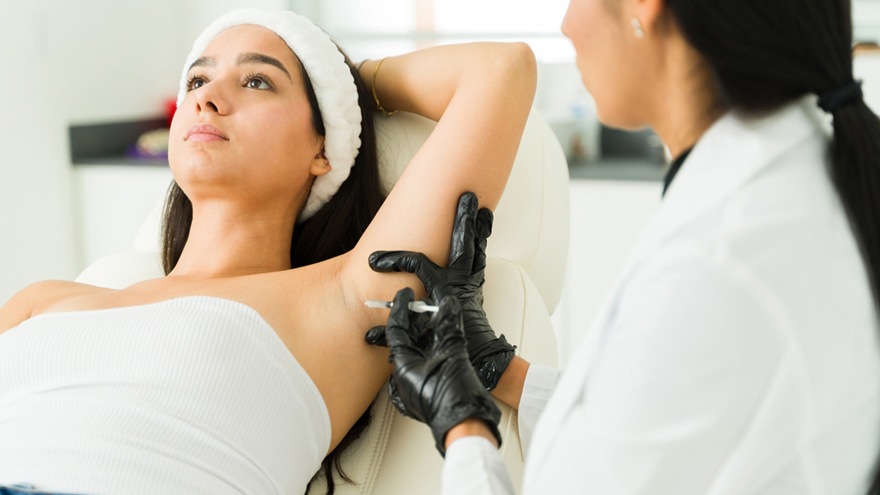
Korea has one of the world’s highest rates of non-invasive aesthetic treatments. Patients value quick results, minimal downtime, and natural-looking outcomes.
Hyperhidrosis Botox fits this cultural preference perfectly:
It takes under 30 minutes.
No scars or visible signs of treatment.
Immediate improvement in quality of life.
With the rise of competitive workplaces and social interactions, more young professionals are seeking treatments that help them present confidently. At the same time, older patients are realizing they no longer have to “endure” sweating silently.
Why Choose Gumdan Ewha Hospital
While Botox is available at many clinics, results depend heavily on the injector’s expertise. Incorrect placement can reduce effectiveness or cause unnecessary discomfort.
At Gumdan Ewha Hospital, patients choose us because:
Medical Expertise: Dr. Soojin Do, our Chief Physician, trained at top Gangnam clinics (Toxnfill, Shinebeam, Ppeum, Muse) and has performed thousands of successful procedures.
Comprehensive Care: We screen for underlying medical causes before recommending Botox.
Tailored Approach: Injection patterns are customized to each patient’s unique sweat distribution.
Patient-Centered Care: Privacy, comfort, and empathetic listening are central to our philosophy.
Our mission isn’t just to stop sweat—it’s to help patients live more confidently, comfortably, and freely.
Long-Term Management and Lifestyle Tips
While Botox is highly effective, managing hyperhidrosis often benefits from a multi-layered approach.
Lifestyle Adjustments
Wear breathable fabrics (cotton, linen).
Avoid spicy foods, caffeine, and alcohol, which may trigger sweating.
Practice stress-reducing techniques (since anxiety can worsen sweating).
Maintenance Treatments
Repeat Botox injections every 6–9 months.
Some patients find that repeated treatments gradually lengthen the dry period.
Combination Therapies
At Gumdan Ewha, we may combine Botox with other treatments such as laser therapy for underarms or medical skincare for irritation prevention.
Conclusion: A Simple Step Toward a Sweat-Free Life
Excessive sweating may feel like a small issue to outsiders, but for patients, it can define every day—what to wear, how to interact, even how to think about themselves. Hyperhidrosis Botox is not just about dryness. It’s about freedom from worry, confidence in daily life, and the ability to simply be yourself again.
At Gumdan Ewha Hospital, we have seen firsthand how this treatment transforms lives. Whether you’re a student avoiding handshakes, a professional struggling with sweat stains, or someone simply tired of hiding, know this: help is available, and it works.
More Articles
Continue reading our clinical guides and insights.
Pico Fraxel vs. CO2 Laser: Which Laser Treatment Is Best for Scars & Wrinkles?
Discover the differences between Pico Fraxel and CO2 laser treatments for scars and wrinkles. Find out which is best for your skin. Learn more today!
Learn More
Garlic IV for Inflammation: What Patients Say After One Session
Discover how Garlic IV therapy helps reduce inflammation and boost wellness. Read real patient experiences and results after just one session. Learn more!
Learn More

Should You Get a Detox IV After Travel or Illness?
Recover faster and rehydrate your body with a Detox IV after travel or illness. Flush out toxins, boost energy, and feel your best again—book your session today!
Learn More