Gumdan Ewha Hospital · Dermatology, Pain Relief & International Patient Concierge in Incheon
4.9 Patient Satisfaction
en-US

Medical Guide
Can You Laser Active Acne? New Options Say Yes
Discover if you can laser active acne. Explore new treatment options, benefits, and results to clear breakouts. Learn more today!
Schedule a ConsultationIntroduction: Moving Beyond Old Assumptions

For decades, the message around acne treatment was simple: wait until the pimples are gone before using lasers. Dermatologists worldwide, including here in Korea, believed that lasering active breakouts was too risky. The fear was that the heat and energy would worsen inflammation, irritate already-sensitive skin, or even trigger scarring.
Patients were left with the same limited options — topical creams, oral antibiotics, hormonal therapy, and isotretinoin — while lasers were reserved for “later,” when scars and pigmentation remained.
But medical technology does not stand still. Over the last decade, new-generation devices and refined techniques have overturned that old thinking. We now know that, with the right settings and expertise, lasers can be used safely and effectively on active acne. In fact, for many patients who do not respond well to medication or who cannot tolerate side effects, lasers have become one of the most powerful solutions available.
At Gumdan Ewha Hospital in Incheon, we see this shift firsthand. Patients who once felt trapped in a cycle of creams and pills now experience faster, longer-lasting improvements through precision-based laser treatments. This article explores what has changed, how lasers work on acne, and what real patients can expect from this modern approach.
Why Traditional Acne Treatments Fall Short
Most people in Korea begin their acne journey with the same treatments recommended worldwide:
Topical therapies such as retinoids, benzoyl peroxide, and antibiotic gels.
Oral medications including antibiotics, hormonal pills, or isotretinoin.
Lifestyle modifications like diet adjustments, stress management, and careful skincare.
These remain important tools. However, many patients encounter obstacles that make them less than ideal:
Side effects. Retinoids can cause peeling and irritation. Oral antibiotics may upset the stomach. Isotretinoin requires strict monitoring for liver health and comes with significant restrictions, especially for women of childbearing age.
Temporary results. Acne often returns once the medication is discontinued. Patients describe the frustrating cycle of improvement during treatment, followed by relapse once the prescription ends.
Slow response. Many therapies take months to show results. For young students, professionals, or parents in busy districts like Incheon, waiting half a year for clear skin is disheartening.
It is no surprise, then, that many patients eventually ask: “Isn’t there a faster, safer way?” This is where laser therapy enters the conversation.
How Lasers Target Active Acne
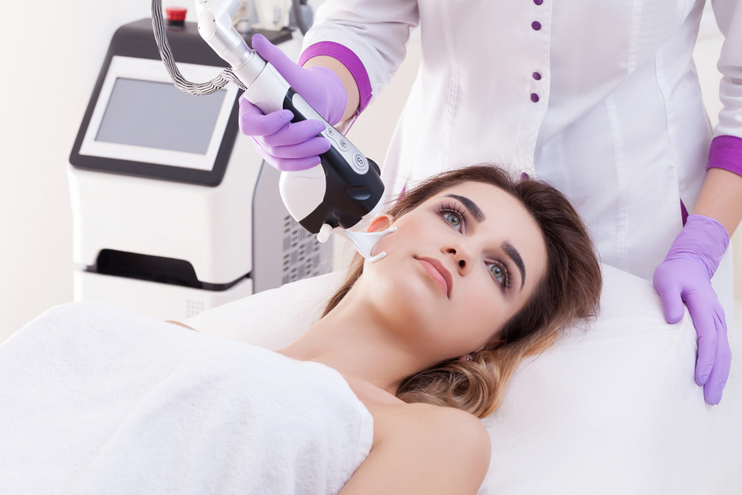
To understand why lasers work, it helps to revisit what causes acne in the first place. Dermatologists describe acne as the result of four interlocking processes:
Overactive sebaceous glands producing excess oil.
Pores becoming clogged with keratin and dead skin.
Bacteria (Cutibacterium acnes) multiplying inside the clogged pore.
The immune system responding with redness, swelling, and inflammation.
A modern laser system interrupts this cycle at several points:
Destroying bacteria. Specific light wavelengths penetrate into the pore and kill acne bacteria without damaging surrounding tissue.
Regulating oil production. Controlled heat reduces sebaceous gland activity, helping prevent future breakouts.
Calming inflammation. Certain lasers trigger biological signals that soothe redness and swelling, speeding recovery.
Protecting against scars. By reducing inflammation early, lasers lower the risk of permanent scarring — a top concern for many Korean patients.
At Gumdan Ewha Hospital, we often explain it to patients in simple terms: medication works from the inside out, but lasers work from the outside in. Combining the two can create a powerful synergy.
Different Types of Lasers for Acne Treatment
Not all lasers are the same. Each device has unique strengths, and matching the technology to the patient’s needs is the key to success.
Blue Light and Photodynamic Therapy (PDT): Effective at killing acne bacteria, this is especially useful for mild to moderate acne or for patients who cannot tolerate oral antibiotics.
Dual-Wavelength Lasers (e.g., 1450 nm + 1320 nm): These penetrate deeper into the dermis to shrink sebaceous glands and reduce inflammation. They are often chosen for oily, acne-prone skin.
Nd:YAG Lasers: A versatile option well-suited for Asian skin tones, which are more prone to pigmentation. These lasers help with both active acne and the lingering redness that follows breakouts.
Fractional Lasers (in low, controlled settings): More commonly used for scars, but when applied gently, they can support healing and reduce the risk of early scar formation.
Choosing the right device is not a one-size-fits-all process. A high school student with mild acne requires a different approach than a working professional with chronic cystic flare-ups. At our hospital, treatment plans are tailored after a thorough skin evaluation, considering not only the acne itself but also the patient’s schedule, lifestyle, and tolerance for downtime.
What the Patient Experience Is Like
The thought of lasering an inflamed pimple can sound painful. In reality, modern devices are surprisingly comfortable.
Sensation: Most patients describe the feeling as a brief, warm snap — similar to the flick of a small rubber band.
Downtime: Redness typically resolves within hours to a day. Unlike chemical peels or strong topical retinoids, there is no prolonged peeling or crusting.
Results: Pimples often dry up within two to three days. After several sessions, the frequency and severity of breakouts usually decrease significantly.
Importantly, laser therapy does not carry the systemic risks of oral medications. There are no liver side effects, no lab tests, and no restrictions on pregnancy. For many Korean patients who value safety and convenience, this is a major advantage.
Why Lasers Matter in Korea Today
Skin appearance carries cultural significance in Korea. Clear skin is associated not only with beauty, but also with health, professionalism, and self-discipline. At the same time, there is growing demand for treatments that are natural, subtle, and low in downtime.
Laser acne therapy fits these priorities perfectly. It offers visible improvements without the stigma of looking “over-treated.” Patients can return to school or work almost immediately, and the treatments can be discreetly integrated into a busy lifestyle.
In Incheon’s Geomdan area, where Gumdan Ewha Hospital is located, our patient community includes students preparing for important exams, young professionals facing workplace pressures, and parents managing busy family lives. For them, a treatment that balances efficacy, safety, and convenience is invaluable.
Combination Therapy: Lasers Plus More
While lasers can stand alone, the best outcomes often come from carefully designed combination therapy. At our hospital, we often integrate:
Lasers with short-term medication. For severe or cystic acne, a limited course of antibiotics or isotretinoin may be paired with laser sessions to bring faster control.
Lasers with regenerative treatments. Post-laser, we may apply stem cell serums, exosome therapy, or skin boosters to accelerate healing and reduce pigmentation risk.
Lasers with skincare coaching. Patients are guided toward gentle routines that support treatment rather than disrupt it.
This comprehensive approach helps ensure that results are not just temporary but sustainable.
Safety and Considerations
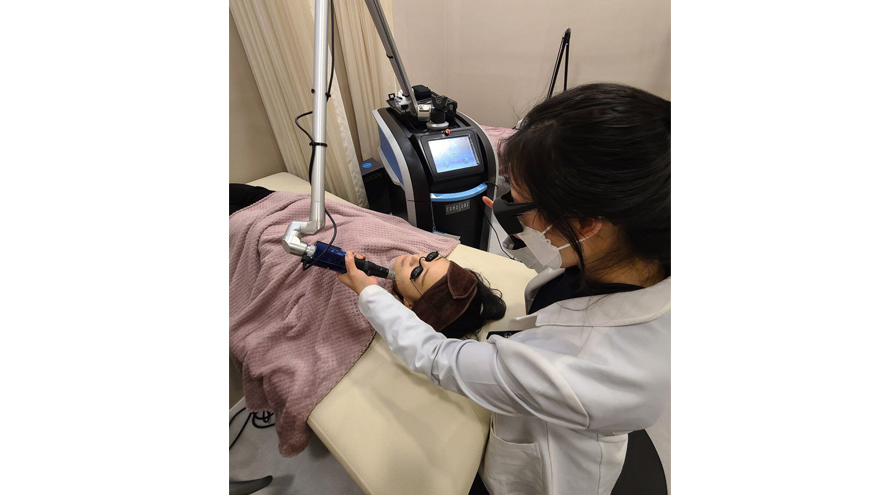
While modern laser acne therapy is safe, patients should be aware of certain considerations:
Severe acne may still require oral medication alongside laser sessions.
Multiple treatments are usually necessary; visible improvement often appears after three to six sessions.
Strict sun protection is important after laser therapy to prevent pigmentation changes.
Not all devices are appropriate for all skin types, making expert supervision essential.
At Gumdan Ewha Hospital, each treatment plan begins with a detailed consultation, ensuring that the selected therapy aligns with the patient’s skin condition and long-term goals.
The Future of Acne Treatment in Korea
The growing acceptance of laser therapy for active acne represents more than just a technological advance. It reflects a broader shift in Korean dermatology toward non-invasive, patient-centered solutions. Instead of asking patients to endure harsh side effects or wait years for improvement, we now have tools that deliver meaningful results quickly, safely, and discreetly.
This evolution also aligns with Korea’s leadership in global aesthetic medicine. As international patients look to Korea for advanced skincare solutions, laser acne therapy is emerging as a key example of how science and aesthetics can blend to provide not only clear skin but also renewed confidence.
Conclusion: A New Standard for Acne Care
The old advice — to wait until acne has healed before using lasers — no longer reflects the reality of modern dermatology. With advanced technology and careful medical guidance, lasers can now treat acne while it is still active. They target bacteria, regulate oil glands, reduce inflammation, and protect against future scars.
For patients in Incheon and beyond, this represents a turning point. No longer must acne sufferers feel trapped between slow, frustrating medications and invasive procedures. Instead, they can access precise, compassionate, and effective treatments that fit into their lives.
At Gumdan Ewha Hospital, we believe that skin care should not only clear acne but also restore confidence and quality of life. For patients who have tried everything and are still searching for a solution, laser therapy offers hope — and, often, lasting relief.
More Articles
Continue reading our clinical guides and insights.
Pico Fraxel vs. CO2 Laser: Which Laser Treatment Is Best for Scars & Wrinkles?
Discover the differences between Pico Fraxel and CO2 laser treatments for scars and wrinkles. Find out which is best for your skin. Learn more today!
Learn More

Garlic IV for Inflammation: What Patients Say After One Session
Discover how Garlic IV therapy helps reduce inflammation and boost wellness. Read real patient experiences and results after just one session. Learn more!
Learn More

Should You Get a Detox IV After Travel or Illness?
Recover faster and rehydrate your body with a Detox IV after travel or illness. Flush out toxins, boost energy, and feel your best again—book your session today!
Learn More