Gumdan Ewha Hospital · Dermatology, Pain Relief & International Patient Concierge in Incheon
4.9 Patient Satisfaction
en-US


Medical Guide
Can Stem Cells Repair Sun-Damaged Skin? The Evidence
Discover if stem cells can repair sun-damaged skin. Explore research, benefits & risks, and see if this treatment is right for you. Learn more today!
Schedule a ConsultationIntroduction: When Sunlight Becomes a Hidden Enemy

For many in Korea, sunlight feels like a double-edged sword. On one hand, it brightens our days, lifts our mood, and supports vitamin D production. On the other, it leaves behind marks we often notice too late — freckles that deepen with every summer, fine lines around the eyes, or a patch of dullness that no cream seems to brighten.
At Gumdan Ewha Hospital in Incheon, we see this concern every week. Patients often sit across from us, touching their cheeks with a quiet sigh:
“Doctor, my skin looks older than I feel. Is there anything that can truly fix the damage, not just cover it up?”
It’s an honest and vulnerable question. Traditional dermatology has given us effective tools — lasers to resurface, Botox to smooth, fillers to restore volume. But these approaches often treat the surface symptoms, not the root problem: the skin’s weakened repair system.
This is where stem cell therapy enters the conversation. Not as a magic wand, but as a regenerative tool with the potential to reawaken the skin’s natural ability to heal and renew.
So let’s explore what sun damage really means, how stem cells may help, and what the evidence — and our clinical experience at Gumdan Ewha — tell us.
What Sun Damage Really Does to the Skin
Sun damage is often underestimated. Many patients believe it’s “just cosmetic” — a matter of freckles or wrinkles. But dermatologists know it’s far deeper. Ultraviolet (UV) radiation creates cumulative injury at multiple levels:
On the surface (epidermis): uneven pigmentation, sunspots, and rough texture.
In the middle layer (dermis): collagen and elastin breakdown, leading to sagging and wrinkles.
At the DNA level: mutations that may lead to precancerous changes or skin cancer.
In the immune system: suppression that makes the skin more vulnerable to infection and slower to heal.
To put it simply, photoaging is not “just aging faster” — it is chronic damage that the body struggles to repair on its own. That’s why creams and even advanced resurfacing treatments can only go so far.
At Gumdan Ewha, we sometimes explain it with a house analogy:
If your skin is the house, sunscreen is the roof.
Sun damage is like water leaking in over years — rotting the beams, weakening the walls, warping the floors.
Lasers are like repainting the walls — they make things look fresher, but the foundation is still fragile.
Stem cells? They are like the structural engineer, coming in to reinforce the beams and restore stability from the inside out.
How Stem Cells Work in Skin Repair
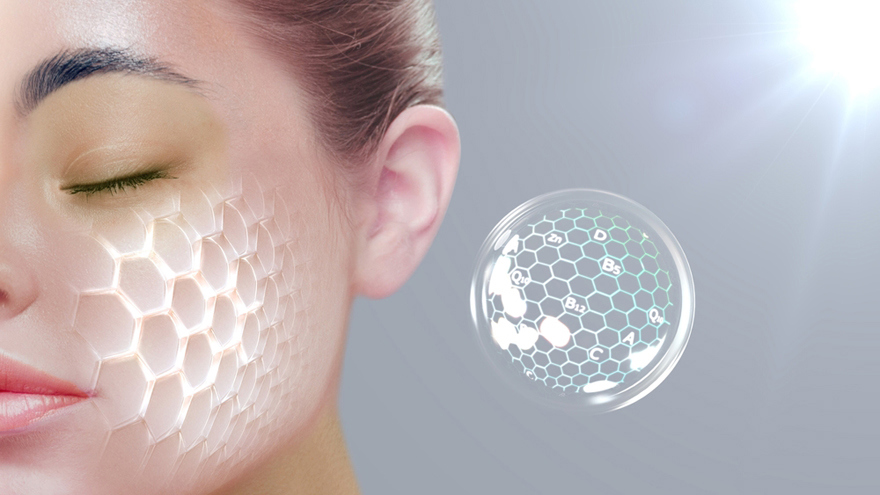
Stem cells are unique because they are undifferentiated cells — meaning they can develop into different cell types and, more importantly for skin, they release powerful signaling molecules.
Here are the key mechanisms that make them relevant for sun-damaged skin:
Growth Factor Release
Mesenchymal stem cells (MSCs) secrete growth factors like TGF-β and VEGF, which encourage fibroblasts to rebuild collagen and elastin.Exosome Communication
Stem cells release tiny vesicles (exosomes) packed with RNA and proteins. These act like text messages to neighboring cells, telling them to repair, renew, and reduce inflammation.Immune Modulation
Chronic sun exposure keeps skin in a state of low-grade inflammation. Stem cells calm this “silent fire,” preventing further collagen breakdown.Enhanced Healing
They stimulate angiogenesis (new blood vessel formation), improving nutrient and oxygen delivery to skin tissue.
In short, stem cells don’t just replace damaged skin. They teach the skin how to heal again.
Scientific Evidence: What We Know So Far
While stem cell research is still developing, the evidence for skin regeneration is steadily building.
Animal Studies: In mouse models, stem cell–derived exosomes reversed UV-induced thinning of the dermis and improved collagen density.
Human Pilot Studies: Small trials in Korea and Europe found improvements in hydration, pigmentation, and wrinkle depth after treatment with stem cell–conditioned media.
Combination Therapy Trials: When paired with fractional CO₂ lasers or microneedling, stem cell products reduced downtime, improved patient satisfaction, and boosted collagen remodeling.
One Korean study in particular compared fractional laser treatment alone versus laser plus stem cell–conditioned serum. The combination group showed faster healing, less redness, and stronger long-term results.
Of course, these are still early-stage studies. Larger, long-term trials are needed. But the direction is encouraging: stem cells offer true regenerative benefits beyond cosmetic cover-ups.
Stem Cells vs. Conventional Anti-Aging Treatments
Patients often ask us: “Should I do Botox, lasers, or stem cells?” The honest answer is that these are complementary tools, not rivals.
Botox: Best for expression wrinkles, but doesn’t improve skin quality.
Fillers: Add volume, but don’t address pigmentation or texture.
Lasers: Resurface skin and stimulate collagen, but healing takes time and benefits may plateau.
Stem Cells: Work at the cellular level, enhancing recovery and improving skin health long-term.
At Gumdan Ewha, we rarely suggest stem cells as a standalone treatment. Instead, we integrate them into personalized plans: for example, pairing exosome therapy with microneedling, or using stem cell injections to support recovery after laser resurfacing.
The goal is not just “looking younger” but restoring the skin’s resilience so results are more natural and durable.
What We See at Gumdan Ewha Hospital
In our Incheon practice, we’ve observed patterns that align with the science:
In younger patients (30s): Stem cell serums and exosomes help prevent early fine lines and enhance the glow after laser toning.
In middle-aged patients (40s–50s): Injectables combined with energy-based devices improve elasticity and reduce stubborn pigmentation.
In older patients (60+): Stem cell treatments aid healing after stronger procedures, reducing complications and improving comfort.
Dr. Soojin Do often tells her patients:
“Think of stem cell therapy not as erasing age, but as giving your skin the strength to keep aging gracefully. That strength is what creates confidence.”
Patient Concerns: Safety, Cost, and Realism
Understandably, patients have questions before considering stem cell treatments.
“Is it safe?”
Yes, when done under medical supervision. Conditioned media and exosome-based products are widely used in Korea with strong safety profiles. Direct stem cell injections are more advanced and require specialized facilities.“Will I look 20 years younger?”
No treatment can turn back time completely. Stem cells improve quality, elasticity, and resilience, but they work best alongside lifestyle changes and sun protection.“Is it expensive?”
Costs vary depending on the method (topical, injectable, or combined). At Gumdan Ewha, we customize treatment packages to make them sustainable rather than one-time splurges.
Transparency is key. We make sure every patient understands what to expect — gradual, natural improvements — and what is not realistic.
Who Benefits the Most?
Stem cell therapy is not for everyone. But patients who benefit most often include:
Those with moderate sun damage who want results beyond creams but prefer non-surgical options.
Patients frustrated with pigmentation that keeps coming back despite traditional treatments.
Individuals seeking shorter downtime and better healing after aggressive laser or resurfacing procedures.
Medical travelers seeking advanced, non-invasive anti-aging therapies in Korea.
The Korean Context: Why Demand Is Rising
In Korea, aesthetics and health are closely linked. Patients want natural, youthful skin — but many are wary of looking “overdone.” Stem cell therapy appeals because it’s about regeneration, not artificial alteration.
Culturally, there’s also a growing appreciation for preventive medicine. Younger patients are seeking stem cell–based skincare not because they look old, but because they want to preserve their youth longer. This aligns with a broader trend in Korean beauty: prevention, subtlety, and science-based care.
At Gumdan Ewha, located in the growing family-centered district of Geomdan, we’ve seen demand from both younger professionals investing in prevention and older patients seeking advanced options without surgery.
The Future of Sun-Damage Repair
Looking ahead, research is moving fast. Exciting areas include:
Personalized stem cells harvested from a patient’s own fat tissue.
Exosome customization, tailoring vesicles to target pigmentation, collagen, or hydration specifically.
Combination regenerative protocols blending stem cells with nutritional support, hormone balance, or peptide therapy.
The vision is clear: in the near future, dermatology will move from treating the “signs of aging” to truly restoring youthful function at the cellular level.
Conclusion: A Regenerative Future for Sun-Damaged Skin
So, can stem cells repair sun-damaged skin? The evidence — and our own clinical experience — says yes. They don’t replace sunscreen, nor are they a miracle cure. But they represent a profound shift in approach: from covering up damage to actually rebuilding the skin’s resilience from within.
At Gumdan Ewha Hospital, we believe in combining the best of traditional dermatology with the most advanced regenerative medicine. Stem cell therapies, when used responsibly, allow us to help patients not only look better, but feel that their skin is healthier, stronger, and more alive.
If you’re considering non-surgical rejuvenation, ask your doctor — or visit a trusted clinic like Gumdan Ewha Hospital in Incheon. Together, we can design a plan that blends science, safety, and compassion to give your skin the second chance it deserves.
More Articles
Continue reading our clinical guides and insights.
Pico Fraxel vs. CO2 Laser: Which Laser Treatment Is Best for Scars & Wrinkles?
Discover the differences between Pico Fraxel and CO2 laser treatments for scars and wrinkles. Find out which is best for your skin. Learn more today!
Learn More

Garlic IV for Inflammation: What Patients Say After One Session
Discover how Garlic IV therapy helps reduce inflammation and boost wellness. Read real patient experiences and results after just one session. Learn more!
Learn More

Should You Get a Detox IV After Travel or Illness?
Recover faster and rehydrate your body with a Detox IV after travel or illness. Flush out toxins, boost energy, and feel your best again—book your session today!
Learn More