Gumdan Ewha Hospital · Dermatology, Pain Relief & International Patient Concierge in Incheon
4.9 Patient Satisfaction
en-US

Medical Guide
Anti-Aging at the Cellular Level: How Regenerative Medicine Works
Discover how regenerative medicine targets aging at the cellular level to restore health and vitality. Explore cutting-edge therapies—learn more today!
Schedule a ConsultationIntroduction
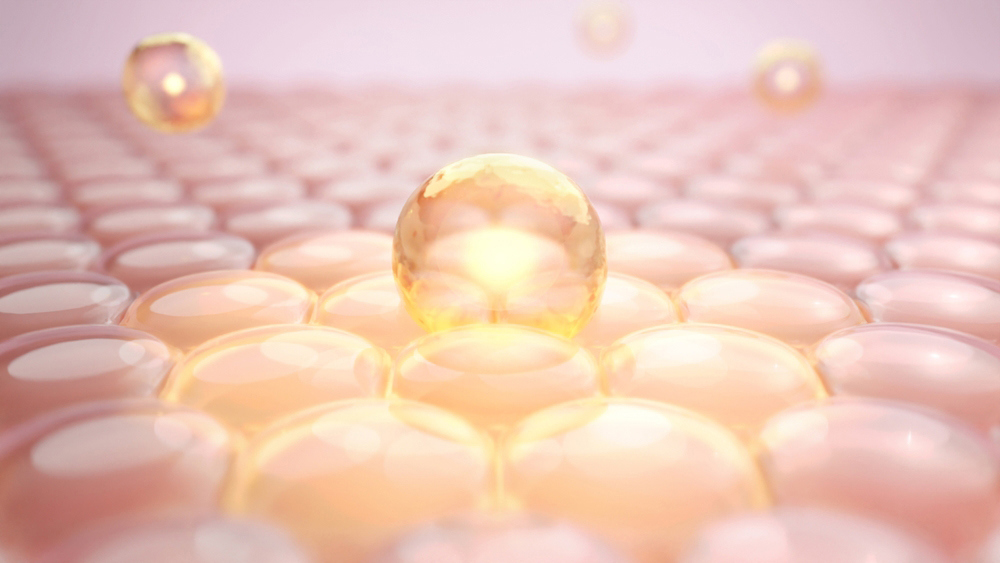
Aging isn’t just a matter of wrinkles or gray hairs. It’s a deeper, more complex process that begins at the smallest unit of life: our cells. At Gumdan Ewha Hospital, we see aging not just as an aesthetic concern, but as a systemic, biological phenomenon. And we believe the future of anti-aging lies in regenerative medicine — an approach that targets aging where it truly begins.
For years, the cosmetic industry has offered solutions that treat surface symptoms of aging. But many of our patients come to us with deeper concerns: chronic fatigue, slower recovery, joint stiffness, dull skin that doesn't respond to creams, and an overall feeling that their body is "not bouncing back" the way it used to. These aren't just surface-level issues; they are signs of cellular aging.
In this article, we’ll explore what happens inside the body as we age, why regenerative medicine offers a revolutionary new path, and how Gumdan Ewha Hospital applies these principles in real clinical settings.
What Really Happens to Cells as We Age?
1. Cellular Senescence: The Rise of "Zombie Cells"
As we age, some cells stop dividing and enter a state called senescence. These senescent cells aren't dead — but they no longer function normally. Worse, they release inflammatory chemicals that damage nearby healthy cells and tissue. This toxic environment accelerates skin aging, joint degeneration, and even chronic illnesses.
At Gumdan Ewha, we often describe senescent cells as "zombie cells" — they linger, disrupt, and multiply dysfunction. The more these cells accumulate, the harder it becomes for your tissues to renew. Over time, this contributes to thinner, duller skin, slow wound healing, and even chronic degenerative diseases.
2. Stem Cell Exhaustion: Losing the Body's Repair Toolkit
Stem cells are like our body’s internal repair crew. They rebuild tissues, replace damaged cells, and maintain organ function. But with age, our stem cells lose vigor. Their numbers may not dramatically decline, but their activity does. Wound healing slows, skin becomes thinner, and joints wear out faster.
Many patients don’t realize their visible aging is due to their stem cells "burning out." It’s like having a team of workers who are present but too tired to repair what needs fixing. Our goal at Gumdan Ewha is to wake these cells up — and give them the tools they need to do their job.
3. Mitochondrial Dysfunction: Energy Crisis at the Cellular Level
Mitochondria are the power plants of our cells. As they degrade with age, cells produce less energy and more harmful byproducts like reactive oxygen species. This damage accumulates, accelerating tissue breakdown.
This is why older skin often looks tired and dull — it literally lacks the energy to regenerate itself. It’s also why older adults experience fatigue and slower recovery from injuries or illness.
4. Epigenetic Drift and Telomere Shortening
Every time a cell divides, protective caps on chromosomes (telomeres) shorten. When telomeres become too short, the cell can no longer divide safely. At the same time, epigenetic patterns — which control gene activity — become scrambled. This leads to erratic cell behavior, reduced tissue function, and increased disease risk.
These changes are not just theoretical — we see them play out every day in clinical settings. Patients experiencing rapid aging often show signs of disrupted gene regulation, poor tissue repair, and susceptibility to chronic diseases.
5. Chronic Low-Grade Inflammation ("Inflammaging")
Even in the absence of infection, the aging body becomes more inflamed. This low-grade, systemic inflammation interferes with tissue repair, accelerates wrinkles, worsens joint pain, and disrupts hormonal balance.
At Gumdan Ewha Hospital, we often say: visible aging is just the tip of the iceberg. Beneath it lies inflammation, degeneration, and declining cellular coordination. The skin is simply reflecting what’s going wrong deeper in the body.
Why Regenerative Medicine Is Different?
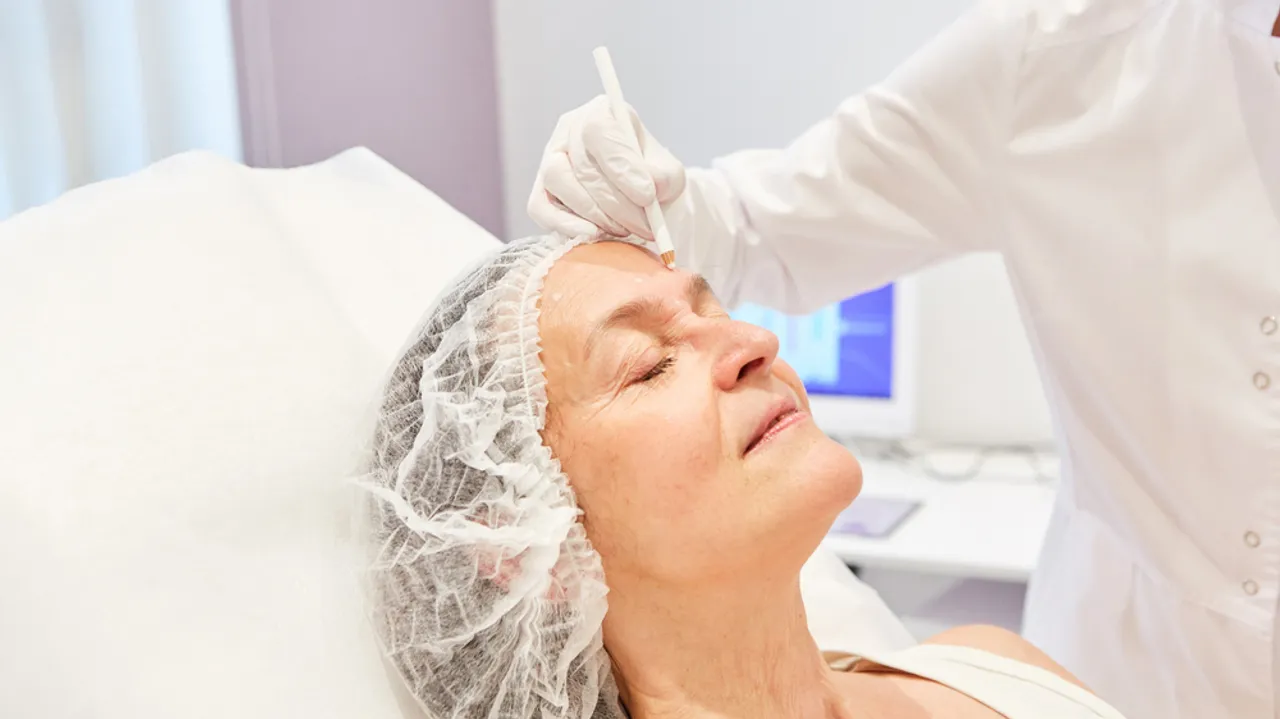
Regenerative medicine doesn’t just aim to mask aging — it aims to slow, reverse, or even repair some of its cellular causes. Here’s how it works.
Targeting the Root, Not the Symptom
Instead of injecting temporary fillers or masking imperfections, regenerative therapies attempt to restore healthy cellular function. By activating stem cells, modulating inflammation, or enhancing mitochondrial performance, we address aging from the inside out.
It’s not about chasing youth; it’s about restoring the body’s own capacity for repair.
Reactivating Dormant Repair Systems
Research shows that under the right conditions, aging cells and tissues can regain youthful function. Therapies like stem cell infusions, platelet-rich plasma (PRP), and growth factor treatments help reawaken the body’s natural repair processes.
At Gumdan Ewha, we call this the "reset and rebuild" approach. First, we clear out the debris. Then, we give the body the cellular tools to regenerate properly.
Supporting Internal and External Health Simultaneously
Aging skin often reflects aging organs. Our integrated approach — dermatology, internal medicine, and orthopedics under one roof — allows us to treat the whole person, not just the appearance.
For example, a patient with sagging skin may also have low-grade inflammation, metabolic dysfunction, or early joint wear. Treating one without addressing the others often leads to short-lived results.
Evidence-Based, Yet Personalized
While the field is evolving, regenerative medicine is backed by growing research. Gumdan Ewha has performed over 2,000 successful procedures, integrating cutting-edge science with time-tested clinical wisdom.
We don’t believe in one-size-fits-all anti-aging. Every body ages differently, and so must every treatment.
How We Apply Regenerative Medicine at Gumdan Ewha Hospital?
Step 1: Deep Diagnostic Assessment
We begin with comprehensive diagnostics:
Blood tests for inflammation and metabolic markers
Skin imaging and collagen density scans
Orthopedic assessment of joints and soft tissue
Hormonal and nutritional status
This helps us understand the true biological age, not just the patient’s calendar age. It also ensures we do not waste time on superficial fixes when deeper work is needed.
Step 2: Tailored Regenerative Protocols
Based on the assessment, we may recommend:
Mesenchymal Stem Cell (MSC) Therapy: To reduce inflammation, stimulate tissue regeneration, and support skin or joint recovery.
PRP Injections: To accelerate healing in skin or joints.
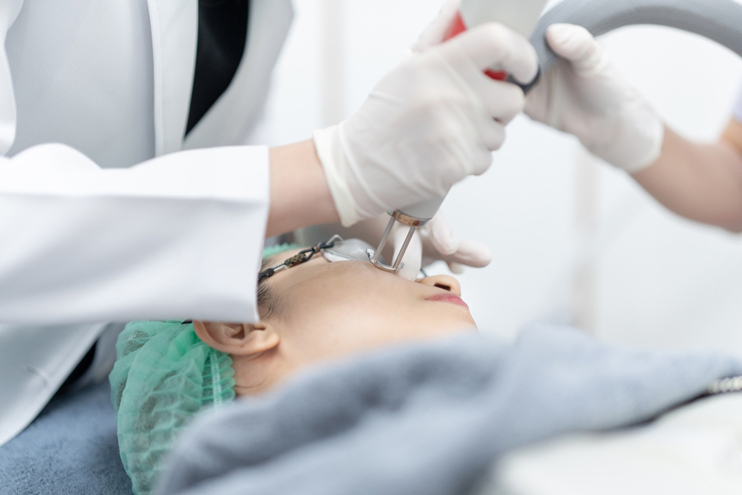
Energy-Based Therapies: Such as fractional lasers or radio-frequency to stimulate collagen production.
Lifestyle and Internal Medicine Support: Optimizing diet, hormones, sleep, and stress for better outcomes.
We often combine multiple modalities to achieve synergy. For example, PRP may be used after laser treatments to amplify collagen synthesis and recovery.
Step 3: Micro-Environment Optimization
We improve the tissue “niche” where stem cells reside by:
Clearing senescent cells
Enhancing vascular health
Improving mitochondrial function
Modulating immune signals
This is like preparing fertile soil before planting seeds. Without the right environment, even the best stem cells or therapies can’t take root.
Step 4: Ongoing Maintenance and Adjustment
Regeneration is not a one-time fix. We design follow-up protocols that include:
Quarterly boosters
Nutritional and lifestyle coaching
Monitoring aging biomarkers
Adjustments based on results
Longevity is a journey. We guide our patients through each stage with care and precision.
A Patient Story: Rejuvenation from Within
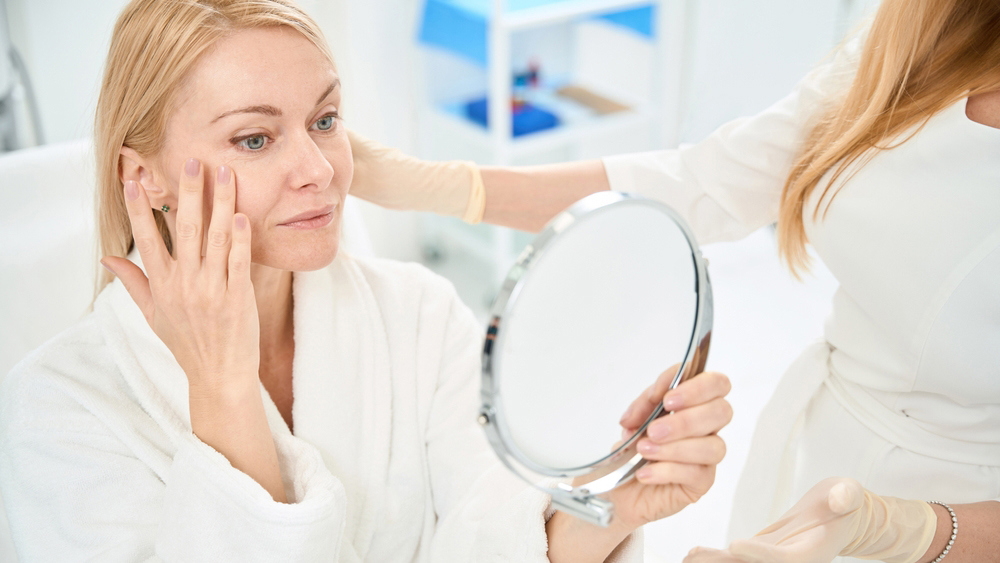
One 47-year-old patient came to us with dull skin, fatigue, and knee pain. After testing, we found she had systemic inflammation and early signs of metabolic syndrome.
Her program included:
PRP and laser for skin
MSCs for her knee
Internal medicine support for metabolic control
Over 12 months, she reported:
Brighter, firmer skin
Reduced joint pain
Better energy and mood
This is not magic. It’s what happens when we treat the root causes of aging, not just the signs. Her transformation was both visible and measurable. Her inflammation markers dropped. Her skin elasticity improved. And most importantly, she felt like herself again.
Conclusion: Aging is Inevitable, But Decline is Not
At Gumdan Ewha Hospital, we see aging differently. It’s not something to fear or fight blindly, but a process to understand and guide. Regenerative medicine gives us the tools to support the body’s natural resilience, rebuild tissues, and maintain vitality.
Whether you’re dealing with early signs of skin aging, joint pain, or internal imbalances, our approach starts with listening, assessing, and tailoring a regenerative plan just for you.
We believe in empowerment, not just intervention. With the right care, your 40s, 50s, and beyond can be decades of vitality, confidence, and health.
If you're ready to explore how science-backed regenerative treatments can help you age with strength, grace, and confidence — book a consultation at Gumdan Ewha Hospital today. Together, we can turn aging from a source of worry into a path toward empowered living.
More Articles
Continue reading our clinical guides and insights.
Pico Fraxel vs. CO2 Laser: Which Laser Treatment Is Best for Scars & Wrinkles?
Discover the differences between Pico Fraxel and CO2 laser treatments for scars and wrinkles. Find out which is best for your skin. Learn more today!
Learn More

Garlic IV for Inflammation: What Patients Say After One Session
Discover how Garlic IV therapy helps reduce inflammation and boost wellness. Read real patient experiences and results after just one session. Learn more!
Learn More

Should You Get a Detox IV After Travel or Illness?
Recover faster and rehydrate your body with a Detox IV after travel or illness. Flush out toxins, boost energy, and feel your best again—book your session today!
Learn More